Saint-Brieuc, France
- 52,774 people
- 10 places to visit
- 48.5124, -2.7679
Places to Visit (10)
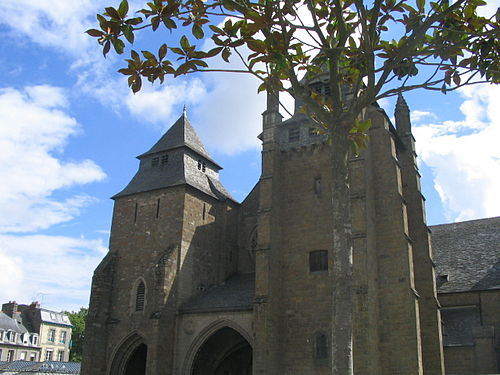
Saint-Brieuc is a picturesque city situated in the Côtes-d'Armor department in the Brittany region of northwestern France. Nestled along the Côte de Granit Rose, Saint-Brieuc is known for its vibrant maritime heritage, striking coastal landscapes, and rich historical significance. With a population of approximately 45,000 residents, it serves as the administrative center of the department and is strategically located between the popular tourist destinations of Pléneuf-Val-André and Pordic. The city is intersected by the Gouessant River, which enhances its scenic beauty and serves as a focal point for various recreational activities.
Historically, Saint-Brieuc has roots dating back to the Gallo-Roman era, starting as a settlement known for its salt production during the medieval period. The city's Saint-Etienne Cathedral, a stunning example of Gothic architecture, dominates its skyline and dates back to the 13th century, showcasing intricate stained glass windows and ornate sculptures. Saint-Brieuc also flourished during the 19th century, rapidly industrializing and expanding its port facilities, which played a critical role in trade and fishing. The city boasts a variety of architectural styles, including half-timbered houses and Art Deco buildings, reflecting its long history and evolution through the ages. Its annual festivals, including the Fête de la Saint-Brieuc and the Festival de la Côte d'Armor, highlight the region's cultural richness, featuring local traditions, music, and gastronomy.
The natural environment around Saint-Brieuc is another significant draw for visitors. The nearby Bay of Saint-Brieuc is a designated Natura 2000 site, rich in biodiversity and recognized for its ecological value. The bay's changing tides create a unique landscape, ideal for walking, cycling, and water sports. Moreover, the city offers access to the surrounding countryside and coastal areas, making it a popular base for exploring the Brittany region, known for its rugged coastlines, charming villages, and delectable seafood. Overall, Saint-Brieuc combines historical allure, cultural vibrancy, and natural beauty, establishing itself as a notable destination in France for tourists and a thriving community for residents.
Facts about Saint-Brieuc
- Saint-Brieuc is known for its unique architecture, particularly the 19th-century Saint-Brieuc Cathedral, which features a combination of Gothic and Romanesque styles.
- The city is located in the heart of the Côtes-d'Armor department, providing easy access to the beautiful Brittany coastline and its stunning cliffs and beaches.
- Saint-Brieuc hosts the annual 'Festival de la Saint-Brieuc', celebrating local culture, music, and gastronomy, attracting visitors from across the region.
- The town is famous for its vibrant market, held every Saturday, where locals sell fresh seafood, artisanal products, and traditional Breton delicacies.
- Saint-Brieuc was historically significant during the French Revolution, serving as a center for revolutionary activities and political discussions.
- The city is home to the 'Les Chantiers de la Jonelière', an important shipbuilding yard that significantly contributed to the local economy during its operational years.
- Located in a natural bay, Saint-Brieuc features an impressive tidal range, leading to distinct coastal ecosystems that are of interest to biologists and ecologists.
- Saint-Brieuc is known for the historic Port de Saint-Brieuc, which was a major trading port in the past, and now serves as a charming marina.
- The 'Maison de la Baie' in Saint-Brieuc offers visitors insights into the rich biodiversity of the Bay of Saint-Brieuc, recognized as a Natura 2000 site.
- As part of Brittany, Saint-Brieuc has a strong Celtic heritage, which is reflected in its local festivals, music, and traditional dance.