Saint Cloud MN, United States
- 65,842 people
- 17 places to visit
- 45.5579, -94.1632
Places to Visit (17)
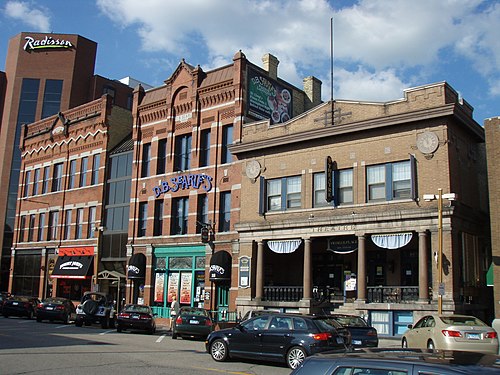
Saint Cloud is a city located in central Minnesota, United States, situated at the confluence of the Mississippi River, the Sauk River, and the Crow River. With a population of approximately 68,000 residents, it serves as the largest city in the area known as the St. Cloud Metropolitan Statistical Area. Founded in the mid-19th century, the city was originally named "Haven" before being renamed in 1856 after the city of Saint-Cloud, France. Saint Cloud is known for its rich history, which is deeply intertwined with the milling and lumber industries that flourished in the region. The presence of rivers facilitated transportation and trade, promoting economic growth and attracting settlers.
Saint Cloud boasts a diverse cultural landscape and recreational offerings. The city is home to several institutions, including St. Cloud State University, which is one of the largest universities in Minnesota and significantly contributes to the local economy and cultural scene. The university's campus features beautiful waterfront views along the Mississippi River, adding to the city’s natural charm. Saint Cloud also has a vibrant arts community, represented by venues like the Paramount Center for the Arts, which hosts various performances and exhibits throughout the year. The city's parks and recreational areas, such as the Beaver Islands Park and Lake George, provide outdoor spaces for residents and visitors to enjoy activities like hiking, biking, and fishing.
Additionally, Saint Cloud is characterized by a strong sense of community and a range of annual events that bring residents together, such as the Granite City Days festival and the St. Cloud Arts and Crafts Festival. These events highlight the city's commitment to arts, culture, and community engagement. As Saint Cloud continues to grow, it maintains a balance between urban development and preserving its rich history and natural resources, making it an appealing place to live, work, and visit in Minnesota.
Facts about Saint Cloud
- Saint Cloud is home to the iconic Great River Regional Library, which is one of the largest library systems in Minnesota.
- The city was founded in 1856 and was originally named 'Hartford,' but was renamed Saint Cloud in 1856, inspired by the city of Saint-Cloud in France.
- Saint Cloud has a vibrant arts scene, prominently showcased through the annual Saint Cloud Arts Festival, which celebrates local artists and features various art forms.
- The city is located on the banks of the Mississippi River, making it a focal point for outdoor activities and scenic views in central Minnesota.
- Saint Cloud State University is one of the largest universities in Minnesota, known for its strong programs in education, business, and the arts.
- The city hosts the annual Granite City Days, a week-long festival that features a parade, music, and family-friendly activities, celebrating the community and its heritage.
- Saint Cloud has a rich history in granite quarrying, earning it the nickname 'Granite City' due to the numerous quarries that supplied granite for buildings across the U.S.
- The Munsinger Clemens Botanical Society maintains the Munsinger & Clemens Gardens, showcasing beautiful landscapes along the Mississippi River.
- Saint Cloud was a significant railroad hub in the late 19th and early 20th centuries, contributing to its growth and development as a center for commerce in Minnesota.
- The city is known for having one of the only remaining wooden roller coasters, the 'Wild Thing,' at the nearby Valleyfair amusement park, making it a unique attraction in the area.