Saint-Denis, France
- 96,128 people
- 9 places to visit
- 48.9362, 2.3574
Places to Visit (9)
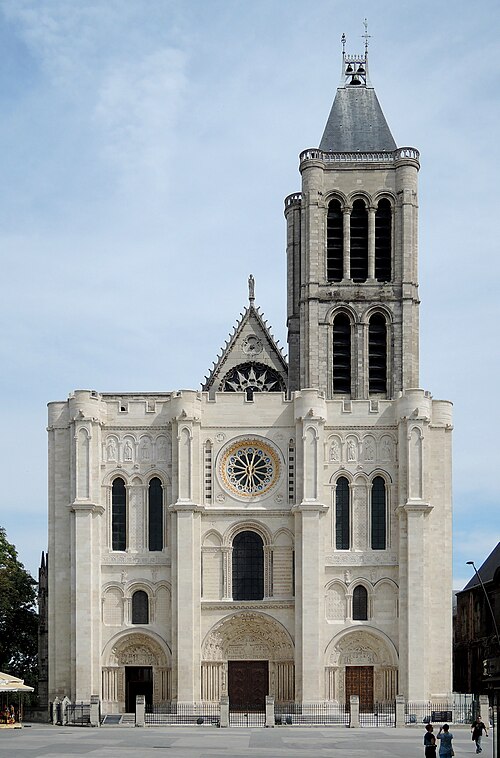
Saint-Denis, a suburb located just north of Paris, is the capital of the Seine-Saint-Denis department in the Île-de-France region. With a population of approximately 110,000, it is one of the most densely populated municipalities in France. Historically, Saint-Denis has played a significant role in the nation's identity, being home to the Basilica of Saint-Denis, the burial site of numerous French monarchs. This historic site, a masterpiece of Gothic architecture, was originally built in the 5th century and later reconstructed by Abbot Suger in the 12th century, marking the birth of Gothic art. The basilica is not only an important religious site but also a UNESCO World Heritage site and a significant tourist attraction that reflects the city's rich history.
Having undergone significant urban transformation over the past few decades, Saint-Denis has developed into an essential cultural and economic center. The area is characterized by a diverse demographic, with a large population of immigrants contributing to a vibrant multicultural landscape. Saint-Denis is also known for its dynamic arts scene, hosting several cultural events and festivals throughout the year, which celebrate its artistic diversity. The city is a hub for sports, particularly with the Stade de France, the national stadium that was inaugurated in 1998 for the FIFA World Cup and has since hosted numerous events, including the UEFA Euro and concerts. Furthermore, Saint-Denis is undergoing further urban development as part of the Grand Paris project, which aims to enhance transportation and infrastructure, making it an increasingly attractive location for businesses and residents alike.
Saint-Denis represents a unique blend of historical significance and modern urban life, making it an essential part of the greater Parisian area. Its ongoing revitalization reflects the broader trends in urban development in France, as cities adapt to meet the needs of growing populations while preserving their rich heritage. With its historical landmarks, cultural diversity, and continued growth, Saint-Denis occupies a distinctive place within the narrative of contemporary France.
Facts about Saint-Denis
- Saint-Denis is home to the Basilica of Saint-Denis, a UNESCO World Heritage Site, which is considered the first major building in the Gothic architectural style and the burial site of French royalty.
- The city played a significant role in the French Revolution, with the local population participating actively in revolutionary events and the storming of the Bastille.
- Saint-Denis is known for its diverse cultural landscape and is one of the most ethnically diverse communes in France, reflecting a rich mix of cultures and communities.
- The Stade de France, the national stadium of France, is located in Saint-Denis and is famous for hosting the 1998 FIFA World Cup final as well as numerous major sporting events and concerts.
- Saint-Denis was once the site of a major royal abbey and served as the necropolis for the kings and queens of France, making it a historical center of French monarchy.
- The city has a vibrant arts scene, with annual festivals and events such as the Saint-Denis Festival, celebrating the cultural richness of the community through music, dance, and performances.
- Saint-Denis is part of the greater Paris metropolitan area but retains its unique identity, showcasing industrial history and rapid urban development distinct from central Paris.
- The city is also known for its thriving street art scene, with many walls and buildings adorned by local and international artists, enhancing its urban aesthetic.
- Saint-Denis is a hub for sports, especially football, being home to several amateur clubs, the headquarters of the French Football Federation, and the prominent professional club Paris FC.
- The nearby Plaine Saint-Denis area has transformed into a major business and media hub, attracting numerous companies and creative industries, contributing significantly to the local economy.