Saint-Étienne, France
- 176,280 people
- 15 places to visit
- 45.4397, 4.3872
Places to Visit (15)
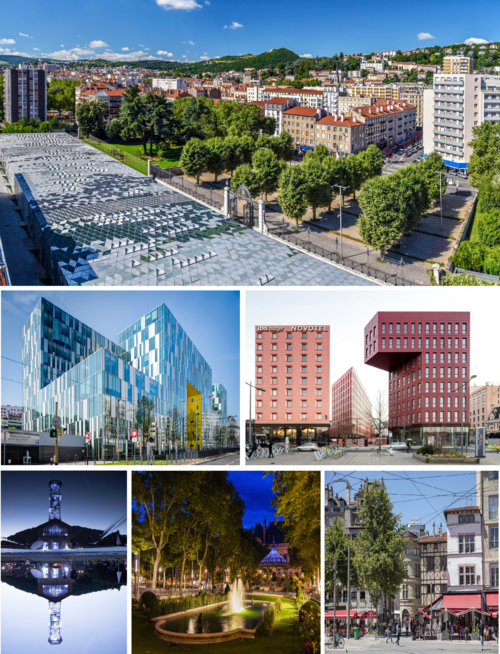
Saint-Étienne, located in the Auvergne-Rhône-Alpes region of southeastern France, is a city with a rich industrial heritage and a vibrant cultural scene. Situated approximately 60 kilometers southwest of Lyon, it is the capital of the Loire department. Saint-Étienne has a population of around 170,000 residents, making it one of the largest cities in the region. Originally known for its coal mining and textile industries, the city underwent significant economic changes in the latter half of the 20th century, transitioning from traditional manufacturing to a more diversified economy, which now includes sectors like design, technology, and services.
The city's industrial history is reflected in its architecture and urban landscape, with numerous historical sites and museums celebrating its past. The Cité du Design, a notable example, showcases Saint-Étienne's commitment to design and innovation, and it was recognized as a UNESCO City of Design in 2010. The city's cultural offerings are further enriched by institutions such as the Musée d'Art et d'Industrie, which highlights the region’s industrial prowess and explores the relationship between art and industry. Additionally, Saint-Étienne is home to a number of parks and green spaces, contributing to the quality of life for its residents.
Saint-Étienne is also known for its sports culture, particularly football, with AS Saint-Étienne being one of the most successful clubs in French history. The city hosts various sporting events and has a strong sense of community spirit. With a growing student population, thanks to institutions like the Jean Monnet University, Saint-Étienne has a lively atmosphere that blends its historical roots with modern innovation. Its emphasis on sustainability and urban development reflects a forward-thinking approach that aims to create a dynamic and inclusive environment for both its inhabitants and visitors.
Facts about Saint-Étienne
- Saint-Étienne was an important center for coal mining and steel production during the 19th and early 20th centuries, which significantly shaped its industrial landscape.
- The city is renowned for its unique 'Cité du Design', a hub for design and innovation, highlighting its commitment to modern creative industries.
- Saint-Étienne is the only French city with a museum dedicated to modern art, the Museum of Modern Art, which houses works from the 20th and 21st centuries.
- The city's population peaked in the 1970s due to the industrial boom, but has since undergone a demographic transformation, focusing on service industries and education.
- Saint-Étienne hosts the annual 'Les Escales', a contemporary dance festival attracting performers and audiences from around the world.
- The city is home to the iconic Stade Geoffroy-Guichard, known for its passionate football culture and as the home ground of AS Saint-Étienne, a historic football club.
- Saint-Étienne was designated as a UNESCO City of Design in 2010, recognizing its efforts in promoting design and creativity.
- The city features a distinctive 'green corridor' along the old railway line, providing residents and visitors with access to nature and promoting sustainable urban development.
- Saint-Étienne is characterized by its unique heritage of 'bistrot du coin', where traditional local cuisine and wines are offered in a casual setting, showcasing the region's culinary culture.
- The innovative education system in Saint-Étienne includes specialized programs in design, engineering, and technology, contributing to its reputation as a center for higher education.