Saint-Hyacinthe, Canada
- 50,326 people
- 12 places to visit
- 45.6307, -72.9563
Places to Visit (12)
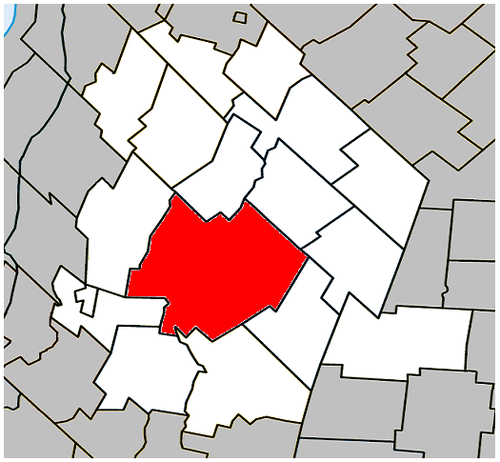
Saint-Hyacinthe is a city located in the province of Quebec, Canada, within the La Vallée-du-Richelieu regional county municipality. Situated approximately 60 kilometers east of Montreal, it lies at the confluence of the Yamaska River and the Richelieu River. The city has a rich agricultural heritage and is often referred to as the "agricultural capital" of the province due to its fertile lands and thriving farming industry. Established in 1814, Saint-Hyacinthe was officially incorporated as a city in 1845. It has since developed into an important urban center with a diverse economy that combines agriculture, manufacturing, and service industries.
Saint-Hyacinthe is known for its significant production of dairy and greenhouse products and has become a regional hub for agricultural innovation and research. The city is home to the Université de Saint-Hyacinthe, which focuses on agricultural and veterinary sciences, contributing to its reputation as a center for agricultural education and development. In addition to its strong economic base, Saint-Hyacinthe offers a rich cultural scene, with various festivals and events that celebrate its history and community spirit. The city hosts the annual Salon des Vins, a wine and culinary festival, and features several museums, parks, and recreational facilities that create a vibrant community atmosphere.
Transportation in Saint-Hyacinthe is facilitated by a network of roads and public transit options, including bus services connecting to neighboring cities and Montreal. The city's strategic location near major highways enhances its accessibility and economic potential. Saint-Hyacinthe's beautiful architecture, including its historic churches and charming downtown area, combined with its commitment to agriculture and education, underscore its unique character and importance in the region. As a blend of modern development and historical significance, Saint-Hyacinthe attracts residents and visitors alike, offering a glimpse into Quebec's rich cultural tapestry.
Facts about Saint-Hyacinthe
- Saint-Hyacinthe is known as the agricultural capital of Quebec due to its rich farming heritage and the importance of agriculture in the local economy.
- The city is home to the only Agri-Food Technology Center in North America, which focuses on research and innovation in the agricultural sector.
- Saint-Hyacinthe hosts the largest agricultural exhibition in Canada, known as Expo-Champs, attracting thousands of visitors and exhibitors each year.
- The city was founded in 1814 and has a significant historical background as one of Quebec’s earliest settlements, particularly in the Richelieu Valley region.
- Saint-Hyacinthe is notable for its unique French architectural style, featuring a number of historical buildings, including the Saint-Hyacinthe Cathedral, built in the late 19th century.
- The city is recognized for its vibrant cultural scene, hosting several festivals throughout the year, including the Festival de la Bière and Festival des Traditions du Monde.
- Saint-Hyacinthe has a strong focus on sustainability, being one of the first cities in Quebec to implement a comprehensive waste management and recycling program.
- It is home to the Centre de foires de Saint-Hyacinthe, one of the largest exhibition centers in Quebec, hosting numerous trade shows and events.
- The city has a deep connection to the arts, featuring the Musée de la culture de Saint-Hyacinthe and various local artists who contribute to its cultural landscape.
- Saint-Hyacinthe was named after the patron saint of the city, Saint Hyacinth, and is part of the Montérégie region, known for its beautiful landscapes and rolling hills.