Saint-Lô, France
- 21,722 people
- 8 places to visit
- 49.1155, -1.0828
Places to Visit (8)
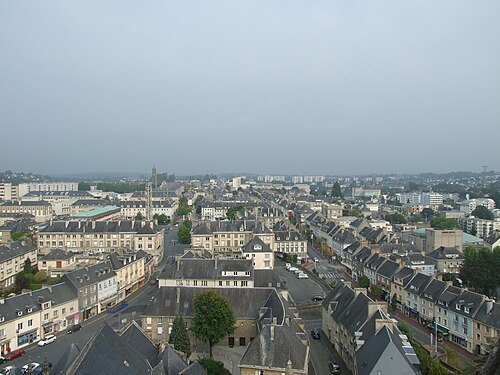
Saint-Lô is a commune located in the Manche department of Normandy, in northwestern France. Situated at the edge of the Cotentin Peninsula, the city is approximately 40 kilometers southwest of Caen and serves as the capital of the Manche department. The geographic coordinates place Saint-Lô on the banks of the Vire River, which flows into the coastal waters of the English Channel. The city's history dates back to the Gallo-Roman period, and it has experienced significant historical events, particularly during the Second World War when it faced extensive destruction due to the Battle of Saint-Lô, part of the larger Operation Cobra in 1944.
Saint-Lô is characterized by its rich architectural heritage, comprising both historic structures and modern developments. The remnants of the ancient ramparts and the medieval castle reflect the city's strategic importance during the Middle Ages. The local economy historically relied on agriculture and textile manufacturing, but it has diversified over the years to include service industries, commerce, and tourism. The vibrant local culture is evident in annual events such as the Feria, which celebrates the agricultural traditions of the region, and the Saint-Lô international horse show, marking the city as a hub for equestrian activities. In addition, the natural landscapes surrounding Saint-Lô, including the nearby La Chapelle-en-Juger and the scenic routes along the Vire River, attract visitors and provide recreational opportunities.
Saint-Lô is also known for its educational institutions, healthcare facilities, and a network of cultural organizations that promote local art and heritage. Its location serves as a gateway for exploring the historical and natural wonders of Normandy, making it a notable point of interest for travelers. The city has made significant strides in post-war reconstruction, leading to urban renewal projects that preserve its historical identity while fostering modern amenities. Through a blend of rich history, cultural activities, and progressive development, Saint-Lô continues to be a significant and engaging destination in the Normandy region.
Facts about Saint-Lô
- Saint-Lô is known as the 'Capital of the Basse-Normandie' region and played a significant role during World War II, particularly during the Battle of Saint-Lô in July 1944, which was pivotal in the liberation of France.
- The city has a rich history dating back to the 9th century when it was founded around a castle built by the Counts of St. Lo, distinguishing it from other towns with more modern origins.
- Saint-Lô is famous for its horse-related activities and events, particularly the international equestrian competitions held annually, making it a notable center for equestrian sports in France.
- The town features the impressive Saint-Lô Cathedral, a Gothic structure that is a testament to the city's architectural heritage and has a unique blend of styles due to various renovations over the centuries.
- Saint-Lô has a unique network of pedestrian and cycling paths that trace the remnants of the medieval city walls, setting it apart as a bike-friendly destination compared to many other French towns.
- The local economy of Saint-Lô is complemented by its strong agricultural sector, particularly in dairy farming, which contributes to the region's reputation for high-quality dairy products.
- Saint-Lô was traditionally known for its pottery and earthenware during the 18th and 19th centuries, a craft that has since declined but still holds historical significance in the city.
- The city hosts the annual 'Festival International de Saint-Lô', showcasing local artists, musicians, and cultural heritage, which draws visitors from across the region.
- Saint-Lô is home to the Memorial de la Bataille de Normandie, a museum dedicated to the events of World War II, distinguishing it as a significant historical site for education and remembrance.
- The city is situated just a few kilometers from the famous Mont Saint-Michel, making it a popular base for tourists exploring this UNESCO World Heritage site while enjoying the local culture.