Saint-Louis, Réunion
- 53,935 people
- 9 places to visit
- -21.2866, 55.4079
Places to Visit (9)
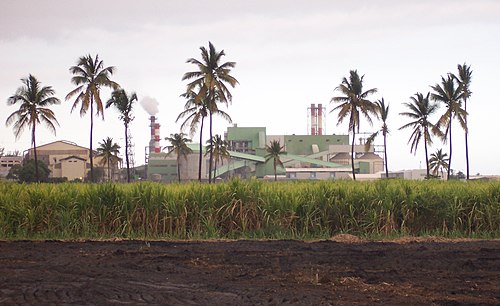
Saint-Louis is a charming commune located on the southern coast of Réunion, a French overseas territory in the Indian Ocean. It is bordered by the turquoise waters of the Indian Ocean to the east and the dramatic Piton des Neiges mountain range to the west. Situated approximately 20 kilometers south of the capital, Saint-Denis, Saint-Louis has a population of around 37,000 residents, making it one of the largest communes on the island. The city's name pays homage to King Louis IX of France, reflecting its historical ties to French colonialism.
Saint-Louis is known for its diverse cultural heritage, which is evident in its architecture, festivals, and local cuisine. The city is a melting pot of cultures, influenced by French, African, Indian, and Chinese traditions. One of its notable attractions is the Le Parc de la Réserve, a lush green space that offers a serene environment for residents and visitors alike. Nature plays a significant role in the community, with the nearby La Rivière Saint-Louis providing opportunities for outdoor activities such as hiking and water sports. The area is also famous for its traditional wooden houses, which reflect the island's colonial past and architectural style.
The economy of Saint-Louis is primarily driven by agriculture, tourism, and local businesses. The fertile lands surrounding the commune are known for producing a variety of crops, including sugar cane, vanilla, and tropical fruits. Additionally, tourism contributes significantly to Saint-Louis's economy, with visitors drawn to its natural beauty and cultural landmarks, including churches, markets, and local artisan shops. The city also serves as a gateway to the picturesque landscapes of the southern part of Réunion, including the scenic coastline and the dramatic cirques, such as Cirque de Cilaos. Overall, Saint-Louis is a vibrant and culturally rich city that exemplifies the unique blend of traditions and natural beauty that makes Réunion an intriguing destination in the Indian Ocean.
Facts about Saint-Louis
- Saint-Louis is known for its unique Creole architecture, characterized by brightly painted wooden houses, which reflects the island's diverse cultural influences.
- The city is home to the iconic 'Porte de l'Ouest', a historic gate that marks the entrance to the town and symbolizes its colonial past.
- Saint-Louis is renowned for its annual 'Festival des Maïz', celebrating the local agricultural heritage and showcasing the importance of maize in Réunion's culture.
- The town is situated on the western coast of Réunion, making it one of the best locations for viewing spectacular sunsets over the Indian Ocean.
- Saint-Louis is notable for its connection to the sugarcane industry, with historical sugar mills that date back to the 19th century still preserved in the area.
- The city features the stunning 'L’Etang de Saint-Paul', the largest lagoon in Réunion, which is vital for its biodiversity and serves as a recreational area for locals.
- Saint-Louis has a rich musical heritage, being a significant center for the 'maloya' music genre, which is recognized by UNESCO as an intangible cultural heritage.
- The municipality is known for its various scenic hiking trails, particularly those leading to the lush landscapes of the nearby Piton des Neiges, the highest peak in the Indian Ocean.
- Saint-Louis hosts the 'Fête de la Musique', an annual music festival that promotes local artists and celebrates diverse musical genres across the region.
- The town serves as a gateway for adventure tourism, offering access to water sports, paragliding, and other outdoor activities amidst its beautiful natural settings.