Saint-Louis, Senegal
- 209,752 people
- 4 places to visit
- 16.0326, -16.4818
Places to Visit (4)
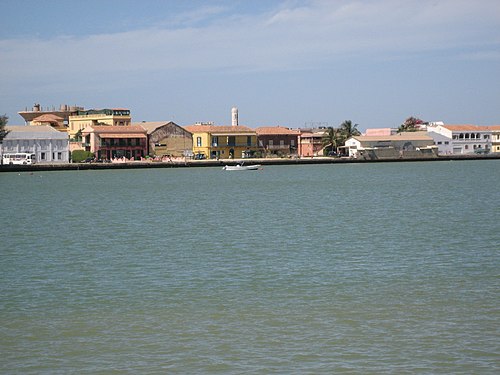
Saint-Louis is a historic city located in northwestern Senegal, at the mouth of the Senegal River where it flows into the Atlantic Ocean. Founded in 1659 by French colonists, it served as the capital of French West Africa until 1902. The city is renowned for its colonial architecture and vibrant culture, making it a UNESCO World Heritage Site since 2000. Its unique positioning on an island, connected to the mainland by bridges, has contributed to its charm and picturesque views, highlighted by a blend of European and African influences in its urban landscape.
The city is known for its rich history and cultural significance, particularly during the transatlantic slave trade when it became a major commercial hub. Saint-Louis was also an important center for the arts and intellectual discourse in West Africa, producing notable figures such as the poet Léopold Sédar Senghor, the first president of Senegal and a significant proponent of African identity and cultural renaissance. Today, the city's vibrant markets, lively music scene, and annual festivals, such as the Saint-Louis Jazz Festival, reflect its dynamic culture and commitment to preserving its heritage.
Saint-Louis is also recognized for its natural beauty, with the nearby Djoudj National Bird Sanctuary, a UNESCO World Heritage Site, attracting birdwatchers and nature lovers from around the world. The city's economy is primarily based on fishing, tourism, and agriculture, with an emphasis on the traditional fishing methods that have been passed down through generations. The blend of historical significance, cultural richness, and natural beauty makes Saint-Louis a compelling destination for visitors interested in exploring one of Senegal’s most historic urban centers.
Facts about Saint-Louis
- Saint-Louis was the capital of French West Africa from 1895 to 1902, making it an important administrative center during the colonial period.
- The city is known for its unique architecture, which reflects a mix of colonial French and traditional African styles, particularly in the Saint-Louis Island area.
- Saint-Louis is home to the famous Faidherbe Bridge, constructed in the 19th century, which connects the island to the mainland and is a significant historical landmark.
- In 2000, Saint-Louis was designated a UNESCO World Heritage Site for its historical importance and well-preserved colonial architecture.
- The annual Saint-Louis Jazz Festival, started in 1998, attracts international artists and jazz enthusiasts, highlighting the city's vibrant cultural scene.
- The city is situated at the mouth of the Senegal River, which plays a crucial role in the region's economy and fishing industry.
- Saint-Louis has a rich history of being a center for trade and commerce, especially during the transatlantic slave trade period.
- The local population celebrates various cultural festivals, including the vibrant 'Langue de Barbarie' festival, which focuses on the area's natural beauty and environmental issues.
- Saint-Louis is known for its distinctive seafood cuisine, particularly its preparation of grilled fish and traditional dishes that showcase local ingredients.
- The city has a diverse cultural heritage, with influences from Wolof, Moorish, and colonial French cultures, making it a melting pot of traditions.