Saint-Malo, France
- 50,676 people
- 17 places to visit
- 48.6493, -2.0257
Places to Visit (17)
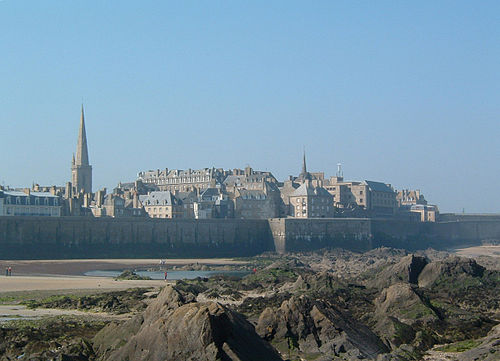
Saint-Malo is a historic coastal city located in Brittany, France, known for its rich maritime heritage and striking medieval architecture. Nestled along the English Channel, it serves as a vital port and a popular tourist destination. The city was originally founded in the 1st century as a small fishing village, but it gained prominence in the 12th century when it became a fortified town due to frequent invasions and piracy. Known as a "privateer" city, Saint-Malo played a crucial role during the Age of Sail, with many privateers and explorers, such as Jacques Cartier, hailing from the region. The city's defensive walls, which still stand today, were constructed in the 17th century to protect it from attacks and are among its most defining features.
The old town, or "Intra-Muros," is characterized by narrow cobblestone streets, charming shops, and historical buildings, including the impressive Saint-Malo Cathedral, showcasing impressive Gothic architecture. Visitors can explore sites like the Château de Saint-Malo, which houses a museum detailing the city's history and its role in maritime exploration. The city is also famous for its beautiful beaches, providing stunning views of the coastline, and for its tidal variations, which can dramatically change the landscape. In addition to its scenic beauty and historical significance, Saint-Malo is renowned for its gastronomy, particularly seafood, with local specialties such as galettes and salted caramel.
In recent history, Saint-Malo was heavily damaged during World War II, but extensive restoration efforts have since revitalized the city, preserving its historical charm. Today, it remains a vibrant center for culture and tourism, hosting several festivals throughout the year, including music and maritime events. With its unique blend of history, culture, and natural beauty, Saint-Malo attracts visitors from around the globe, revealing the enduring allure of this remarkable French city.
Facts about Saint-Malo
- Saint-Malo was historically a significant fortified port city and a major center for privateering during the 17th and 18th centuries.
- The city is known for its distinctive granite ramparts that encircle the old town, offering stunning views of the coast and surrounding area.
- Saint-Malo is famous for its tidal variations, with some of the highest tides in the world, which can change the landscape dramatically within hours.
- The birthplace of the renowned 19th-century author, Chateaubriand, Saint-Malo celebrates his legacy with a dedicated museum honoring his life and works.
- The city was almost completely destroyed during World War II but was remarkably rebuilt to closely mirror its original architecture and layout.
- Saint-Malo hosts the annual Route du Rhum, one of the most prestigious single-handed transatlantic sailing races, attracting sailors from around the globe.
- The Grande Plage, a beautiful sandy beach in Saint-Malo, is a popular spot for both locals and tourists, especially during the summer season.
- The city is home to the iconic Fort National, built in the late 17th century, which can be accessed during low tide and offers historical tours.
- Saint-Malo has a vibrant culinary scene, famed for its fresh seafood and traditional Breton galettes, setting it apart from many other French cities.
- The city’s historic old town, known as Intramuros, is a UNESCO World Heritage site, recognized for its well-preserved medieval architecture.