Saint Paul MN, United States
- 285,068 people
- 17 places to visit
- 44.9537, -93.09
Places to Visit (17)
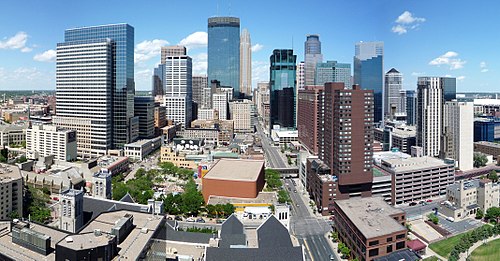
Saint Paul is the capital city of Minnesota and serves as the county seat of Ramsey County. Located on the eastern bank of the Mississippi River, it forms part of the Minneapolis-Saint Paul metropolitan area, often referred to as the Twin Cities. The city was founded in the early 19th century and named after the Apostle Paul. Historically significant, Saint Paul became a vital river port and a hub for trade and commerce in the region, particularly during the westward expansion of the United States. The city is characterized by its rich cultural heritage, with numerous historic buildings, including the Minnesota State Capitol, which was completed in 1905 and is noted for its distinctive architectural style and striking dome.
As of the 2020 census, Saint Paul had a population of approximately 311,527 residents, making it the second most populous city in Minnesota after Minneapolis. The city is known for its vibrant arts scene, which is evident in its many theaters, galleries, and museums, such as the Walker Art Center and the Science Museum of Minnesota. Moreover, Saint Paul hosts various annual events, including the Saint Paul Winter Carnival, which celebrates the city's winter culture with activities and parades. The city's diverse neighborhoods contribute to its dynamic community, featuring a mix of ethnicities, languages, and cultural traditions. Sustainability initiatives and public transit options, including light rail, make it accessible for residents and visitors alike, enhancing its appeal as a livable urban center.
Education plays a significant role in Saint Paul's identity, with institutions such as Macalester College, Hamline University, and the University of Saint Thomas enriching the local academic landscape. The city boasts a strong economy driven by sectors like healthcare, education, and finance, along with a robust governmental presence due to its status as the state capital. Saint Paul is also committed to outdoor and recreational activities, with an extensive park system and access to scenic trails along the Mississippi River. Overall, Saint Paul presents a unique blend of history, culture, and progress, positioning itself as a prominent city within the Upper Midwest region of the United States.
Facts about Saint Paul
- Saint Paul is the capital city of Minnesota and is known for its rich history and political significance.
- The city is home to the historic Cathedral of Saint Paul, an iconic landmark that resembles St. Peter's Basilica in Vatican City.
- Saint Paul is part of the Twin Cities along with Minneapolis, and together they form a major cultural and economic hub in the Upper Midwest.
- The city hosts the annual Saint Paul Winter Carnival, one of the largest and oldest winter festivals in the United States, featuring ice sculptures and parades.
- Saint Paul has a notable connection to the famous author F. Scott Fitzgerald, who was born in the city in 1896 and is honored in several local landmarks.
- The Minnesota State Capitol in Saint Paul is notable for its stunning architecture, featuring a gold-leaf dome and extensive artwork reflecting Minnesota's history.
- Saint Paul was historically a major hub for railroads and still retains many of its historic rail depots and tracks, contributing to its unique charm.
- The city's location along the Mississippi River contributed to its growth as a trade and transport center during the 19th century.
- Saint Paul is recognized for its vibrant arts scene, including the Ordway Center for the Performing Arts and numerous galleries and theaters.
- The city is known for having one of the largest and most visited urban parks in the country, the Como Park Zoo and Conservatory, which offers free admission.