Saint-Quentin, France
- 55,407 people
- 12 places to visit
- 49.8471, 3.2874
Places to Visit (12)
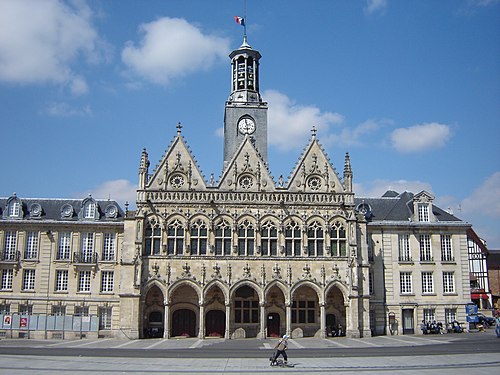
Saint-Quentin is a prominent commune located in the Aisne department in the northern part of France, famous for its rich historical significance and vibrant culture. Nestled in the Picardy region, the city lies south of the Somme River and has a strategic location that has contributed to its development over the centuries. Historically, Saint-Quentin was known as a settlement in the Roman era, called "Sanctus Quintinus," named after its patron saint. This historical background is still evident in the town’s architecture, particularly in landmarks like the Basilica of Saint-Quentin, a splendid example of Gothic and Flamboyant architecture built between the 13th and 15th centuries. The town also has a charming central square, the Place de l'Hôtel de Ville, adorned with beautiful facades and bustling markets.
Saint-Quentin's modern development is marked by a blend of industrial growth and urban modernization. During the 19th century, the city became a major center for textile manufacturing and later expanded into other forms of industry, including mechanics and agriculture. The city has worked to maintain its industrial heritage while promoting contemporary urban life. Today, Saint-Quentin is known for its parks, green spaces, and cultural events, reflecting a lively community atmosphere that attracts both residents and visitors. The local economy benefits from a variety of sectors, including commerce and tourism, with numerous attractions such as the Musée Antoine Lécuyer, which showcases fine art and has ties to local artists. The city also hosts various festivals and markets throughout the year, enhancing its reputation as a cultural hub in the region.
Despite facing challenges, especially during times of war, including World War I, Saint-Quentin has shown resilience and continues to thrive as a modern city with a rich historical backdrop. Its strategic location, cultural heritage, and community initiatives make it an interesting destination and a vital part of northern France's regional identity. With improved transport links, including a railway system connecting it to major cities, Saint-Quentin is positioned favorably for continued development and engagement on both a national and international scale. As a city that blends history with modernity, it offers a unique perspective on the evolution of French urban life.
Facts about Saint-Quentin
- Saint-Quentin is known for its beautiful Art Deco architecture, particularly after much of the city was rebuilt following World War I.
- The city hosts the annual Saint-Quentin Music Festival, which showcases a variety of musical genres and attracts artists from around the world.
- Saint-Quentin is home to the Basilique of Saint-Quentin, a remarkable example of Gothic architecture, initially constructed in the 13th century.
- The town is famously associated with the legend of Saint Quentin, a Roman martyr whose story is integral to the local culture and history.
- The Plan d'Eau de Saint-Quentin is a large artificial lake and leisure area that offers various outdoor activities, setting it apart from many other French cities.
- Saint-Quentin played a significant role in the Industrial Revolution, particularly in the textile industry, which has shaped its economic history.
- The city has a unique 'Chemin des Dames' nearby, a historical landmark recognized for its strategic importance during World War I.
- Saint-Quentin is part of the Picardy region and features the 'Route of the Great War,' highlighting its significance during World War I.
- The city's Grand Place is known for its vibrant market life and the iconic town hall, which has a belfry that is a UNESCO World Heritage site.
- Saint-Quentin is notable for its rich sporting culture and hosts several cycling events, including a significant stage of the Tour de France.