Saipan, Northern Mariana Islands
- 48,220 people
- 14 places to visit
- 15.185, 145.7467
Places to Visit (14)
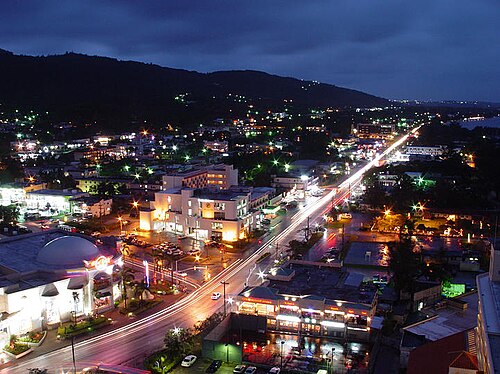
Saipan is the capital and largest island of the Northern Mariana Islands, a U.S. commonwealth located in the western Pacific Ocean. With an area of approximately 115 square miles, Saipan is known for its rich cultural heritage, stunning landscapes, and strategic historical significance. The island's population, estimated at around 48,000, is a diverse mix of indigenous Chamorro, Carolinian, and other ethnic groups, reflecting the island's long history of colonization and migration. Saipan is characterized by its lush mountainous terrain, beautiful beaches, and vibrant marine life, making it a popular destination for tourists seeking both relaxation and adventure. Notable attractions include the iconic Managaha Island, the historical sites of Banzai Cliff and Suicide Cliff, and the pristine waters of the coral reefs, which attract snorkeling and diving enthusiasts.
Historically, Saipan played a critical role during World War II, most notably during the Battle of Saipan in 1944. This battle was a turning point in the Pacific War, as American forces captured the island from Japanese control, leading to the subsequent liberation of other islands in the region. The aftermath of the war saw Saipan transition from a Japanese mandate to an American administered territory, which ultimately led to its designation as a commonwealth in 1976. Today, Saipan's economy relies heavily on tourism, agriculture, and garment manufacturing. The island's infrastructure includes a well-developed transportation system, with the Saipan International Airport serving as the main gateway for international visitors. Additionally, Saipan's warm climate, averaging between 75°F and 85°F year-round, combines with its cultural festivals and events to create a welcoming environment for both residents and tourists alike. Despite facing modern challenges, including the impacts of climate change and economic fluctuations, Saipan continues to thrive as a unique destination with a rich history and promising future.
Facts about Saipan
- Saipan is the largest island in the Northern Mariana Islands, covering an area of 115 square miles.
- During World War II, Saipan was the site of a significant battle in 1944, which led to the capture of the island by American forces.
- The island is home to the historical site of Banzai Cliff, where many Japanese soldiers and civilians took their lives during the war, making it a poignant memorial.
- Saipan hosts the annual “Saipan Carnival,” celebrating the island's diverse culture with parades, food, and various performances.
- The island's tropical climate and beautiful beaches, like Micro Beach and Ladder Beach, attract tourists year-round, making it a popular destination for diving and snorkeling.
- Saipan is known for its Chamorro and Carolinian cultures, which significantly influence the island's traditions, language, and cuisine.
- The island features the famous Grotto, a marine wonder that is a popular diving location known for its underwater caverns and rich marine life.
- Saipan is adjacent to the island of Tinian, which played a crucial role in World War II as the launching point for the atomic bomb missions to Japan.
- The historic site of the Last Phase of the Battle of Saipan was recognized as a National Historic Landmark, underscoring its importance in American military history.
- Saipan was also the first site of the Commonwealth of the Northern Mariana Islands, gaining its political structure in the 1970s as a U.S. territory.