Saku, Japan
- 99,131 people
- 9 places to visit
- 36.2167, 138.4833
Places to Visit (9)
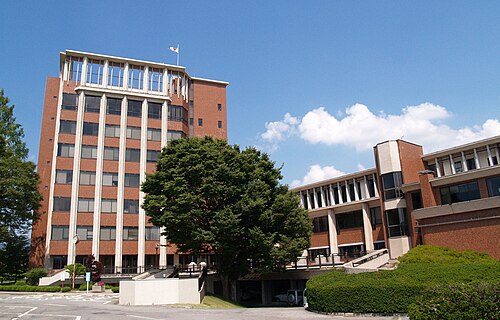
Saku is a city located in Nagano Prefecture, Japan, nestled in the mountainous region of the country. Situated approximately 150 kilometers northwest of Tokyo, Saku lies in the fertile Chikuma River valley and is surrounded by stunning natural landscapes, including the majestic Yatsugatake Mountain range to the south. The city covers an area of about 833 square kilometers and had a population of around 100,000 residents as of the latest census. Founded as a city in 1954, Saku has become an important regional center, known for its agriculture, tourism, and rich cultural heritage.
The area around Saku is renowned for its agricultural production, especially its high-quality vegetables, fruits, and flowers, benefiting from the favorable climate and rich soil. The city is also historically significant, with evidence of ancient settlements and cultural sites, including the famed Saku Castle, which dates back to the 16th century. Additionally, Saku is recognized for its traditional craft of Saku sake, a locally brewed rice wine that showcases the region's pure water sources and meticulous brewing techniques. The city hosts various festivals throughout the year, celebrating local traditions and seasonal changes, attracting visitors interested in experiencing Japanese culture.
Saku is well-connected via rail and road, making it easily accessible for travelers while also providing a tranquil living environment for its residents. The city's natural beauty is complemented by parks, hiking trails, and hot springs, drawing both nature enthusiasts and those seeking relaxation. As part of the Nagano Prefecture, Saku plays a vital role in the broader region's tourism industry, with seasonal attractions such as skiing in winter and flower festivals in spring. With its combination of rich history, agricultural prowess, and natural beauty, Saku embodies the essence of rural Japan while remaining a dynamic place for both locals and visitors.
Facts about Saku
- Saku is known for its rich history in the production of high-quality sake, benefiting from the region's soft water and fertile land.
- The city is home to the historic Saku Ski Garden Parada, which is one of the largest ski resorts in the Nagano Prefecture, attracting winter sports enthusiasts.
- Saku was established as a city on April 1, 2000, after merging several towns and villages, making it a relatively new city in Japan's administrative landscape.
- The city's historical landmark, Sakudaira Station, is notable for being part of the high-speed shinkansen rail system, which connects it to major cities like Tokyo and Nagoya.
- Saku celebrates the annual 'Saku Matsuri' (Saku Festival), which features traditional floats and performances, reflecting its cultural heritage and community spirit.
- Saku's unique geographic location offers beautiful views of the surrounding Japanese Alps, making it a popular destination for hiking and outdoor activities.
- The city is famous for the Saku City Museum, which showcases local history, art, and culture, giving visitors insight into the region's heritage.
- Saku is known for its apple production, particularly the Shinano Gold variety, and hosts an apple festival to celebrate this local agricultural product.
- The city incorporates several historical sites, including the ruins of Saku Castle, which dates back to the 16th century, offering a glimpse into Japan's feudal past.
- Saku has made significant advancements in technology, being home to various research institutions and companies, particularly in the fields of renewable energy and electronics.