Şalālah, Oman
- 163,140 people
- 9 places to visit
- 17.0194, 54.1107
Places to Visit (9)
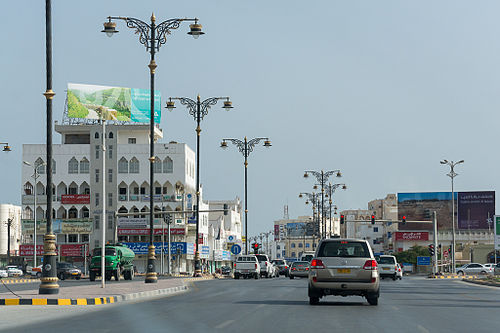
Şalālah, the capital of the Dhofar Governorate in Oman, is a city renowned for its unique blend of natural beauty, cultural heritage, and historical significance. Nestled between lush mountains and the Arabian Sea, Şalālah is particularly famous for its verdant landscapes that emerge during the monsoon season, known locally as "Khareef," which transforms the region into a green oasis. This annual weather phenomenon typically occurs from June to September, attracting both tourists and locals who flock to enjoy the cooler temperatures, waterfalls, and vibrant flora. The city’s climate, characterized by high humidity and mild temperatures during the Khareef, sets it apart from the rest of Oman, where the climate is generally arid and hot.
Historically, Şalālah has been a vital center for trade and commerce due to its strategic location along ancient trade routes. It is also famous as the birthplace of the Prophet Job (Ayyub) and serves as a significant site for Islamic pilgrimage. The city is home to several archaeological sites and historic landmarks that reflect its rich past, including the ruins of the ancient city of Sumhuram, once a hub for frankincense trade, which was highly valued in ancient times. Frankincense tree groves still thrive in the region, as the resin harvested from these trees played a crucial role in the economy and culture of Oman. Additionally, Şalālah hosts various cultural festivals and events, such as the Khareef Festival, which showcases traditional Omani arts, crafts, music, and cuisine, adding to the city's appeal as a cultural destination.
Today, Şalālah is not only an important administrative center but also a thriving tourist hub, attracting visitors with its stunning beaches, historic sites, and rich biodiversity. Tourist sites like Al Mughsail Beach, known for its blowholes and white sands, and the scenic Wadi Darbat, where visitors can go hiking and enjoy the natural landscapes, further enhance its appeal. The city has seen significant development in recent years, including infrastructure improvements and the expansion of tourist facilities. Despite modernization, Şalālah has managed to preserve its unique identity, making it a fascinating destination for those looking to explore the cultural and natural wonders of Oman.
Facts about Şalālah
- Şalālah is the capital of the Dhofar Governorate and is renowned for its unique monsoon climate, which brings seasonal rainfall known as 'Khareef,' transforming the arid landscape into lush greenery.
- The city is famous for its frankincense production, a historic source of wealth and trade since ancient times, making it a key center in the spice trade routes.
- Şalālah hosts the annual Khareef Festival, celebrating the monsoon season with cultural events, music, art exhibitions, and local cuisine, attracting tourists from around the world.
- The archaeological site of Al-Baleed, a UNESCO World Heritage site, is located in Şalālah and features remnants of the ancient city of Zafar, a crucial trading port during the Frankincense trade period.
- The Mughsayl Beach in Şalālah is known for its blowholes, natural formations where seawater shoots up through rock openings, creating a spectacular display for visitors.
- Dhofar's rich cultural heritage is showcased in the annual Haghana Festival, which includes traditional music, dance, and poetry, emphasizing the unique tribal customs of the region.
- Şalālah is also known for the iconic Nabhan Fort, which offers panoramic views of the surrounding landscape and highlights the city's historical military significance.
- The city’s diverse population includes a mix of Omanis, expatriates, and local tribes, contributing to a rich tapestry of cultural influences that distinguishes it from other cities in Oman.
- Şalālah is surrounded by the stunning Jebel Samhan Nature Reserve, home to diverse wildlife and unique geological formations, making it a hotspot for eco-tourism.
- The city has a significant agricultural sector, producing tropical fruits like bananas, coconuts, and papayas due to its favorable climate during the Khareef season.