Salamanca, Mexico
- 273,417 people
- 10 places to visit
- 20.5739, -101.1957
Places to Visit (10)
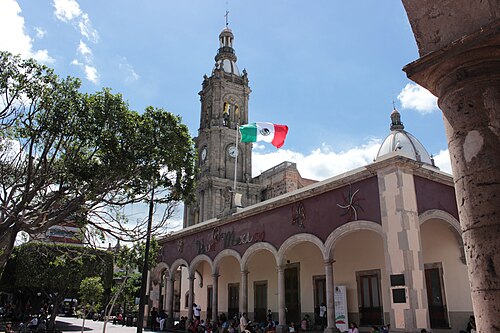
Salamanca is a vibrant city located in the state of Guanajuato, Mexico. It sits approximately 40 kilometers east of the state capital, León, and is strategically positioned along the banks of the Río Lerma. With a population of around 200,000 residents, Salamanca is known for its rich history, industrial significance, and cultural heritage. Founded in 1603, the city was initially a center for agriculture and livestock, later gaining prominence due to the emergence of the oil industry in the mid-20th century. Today, Salamanca is recognized as a key industrial hub, particularly noted for its petroleum refinery run by Petróleos Mexicanos (Pemex), which significantly contributes to the local economy. The city is also home to various manufacturing companies, making it a crucial player in the regional economy.
Culturally, Salamanca boasts a blend of colonial architecture and modern development, appealing to both residents and visitors. The Zócalo, or main square, is a focal point of the city, featuring the impressive Parroquia de Santiago Apóstol, a stunning church that showcases beautiful neoclassical design. The annual Feria de Salamanca, a vibrant fair celebrated in September, highlights the city’s traditions, featuring cultural events, music, food, and local crafts. The surrounding natural beauty, characterized by picturesque landscapes and historic haciendas, adds to Salamanca’s charm. Furthermore, the city is in proximity to significant archaeological sites and natural parks, enhancing its appeal as a travel destination. Overall, Salamanca marries its industrial growth with cultural richness and historical significance, making it a unique and dynamic place in Mexico.
Facts about Salamanca
- Salamanca is known for its rich history in the production of automotive components, being home to several major automotive companies.
- The city is strategically located near the Bajío region, making it a critical industrial hub in Mexico, particularly for agribusiness and manufacturing.
- Salamanca is famous for the Ex-Hacienda de San Juan de la Vega, a former colonial estate that showcases stunning architecture and historical significance.
- The city hosts the annual Feria de Salamanca, a popular fair that celebrates local culture, art, and gastronomy, attracting visitors from across the region.
- Salamanca has a strong cultural heritage, with influences from both indigenous communities and Spanish colonization, reflected in its architecture and traditions.
- The city is home to the notable 'Cerveza de La Salamanca', a local brewery known for its craft beers, contributing to the growing craft beer movement in Mexico.
- Salamanca is closely associated with the 'Cerro de la Bufa', a historical site offering panoramic views of the area and important cultural significance.
- The city plays a pivotal role in the petroleum industry, with the Pemex refinery located nearby, impacting the economy and employment in the region.
- Salamanca is celebrated for its vibrant arts scene, with numerous galleries and cultural events, including theater and music festivals throughout the year.
- The city's historical center is recognized for its colonial architecture, including the Parroquia de Nuestra Señora de la Asunción, which is a focal point for both locals and tourists.