Salgótarján, Hungary
- 34,627 people
- 8 places to visit
- 48.0935, 19.8
Places to Visit (8)
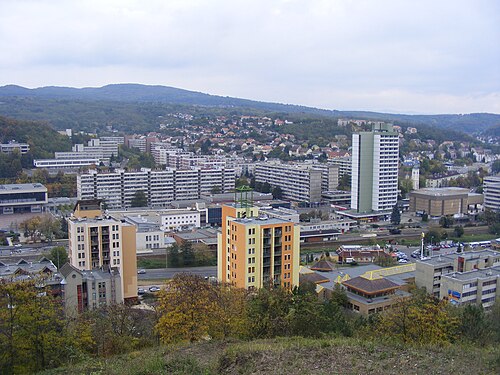
Salgótarján is a city located in northern Hungary, serving as the county seat of Nógrád County. Established as a commune in 1907, it gained city status in 1966. Situated at the foot of the Cserhát Mountains, Salgótarján is approximately 80 kilometers northeast of Budapest. Its geographic location offers a picturesque landscape characterized by hills and forests, making it a popular destination for hiking and outdoor activities. The city has a rich industrial heritage, particularly in coal mining and heavy industries, which significantly shaped its development throughout the 20th century. Following the decline of these industries after the fall of communism in Hungary, the economy of Salgótarján faced numerous challenges, leading to efforts aimed at diversification and modernization.
Salgótarján is recognized for its unique architectural style, which includes remnants from its industrial past and examples of socialist-era construction. Among its notable structures are the ruins of the Salgó Castle, dating back to the 13th century, which provides a historical focal point and scenic viewpoints over the city and surrounding areas. The city also hosts various cultural events and festivals, reflecting its diverse history and community spirit. Educational institutions, including primary and secondary schools, contribute to the city's commitment to fostering local talent. The population of Salgótarján, which has experienced fluctuation over the years, is currently around 35,000 residents. As an emerging center for commerce and tourism, Salgótarján continues to find ways to revitalize its economy while preserving its historical and cultural identity.
Facts about Salgótarján
- Salgótarján is known for its stunning location in the Nógrád Hills, making it one of Hungary's most picturesque cities.
- The city was established in the late 19th century as an industrial center, particularly famous for coal mining.
- Salgótarján is home to the only remaining Hungarian fortress built using a combination of stone and concrete from the 19th century, the Salgó Castle.
- The city has a unique blend of urban and natural environments, with extensive green spaces and hiking trails in the nearby hills.
- Salgótarján hosts the annual Salgótarján Cultural Festival, showcasing local arts, music, and traditions.
- The local museum features a significant exhibit on the history of the city's mining industry, including artifacts and photographs.
- Salgótarján has a rich history of Serbian and Slovak influences, making it culturally diverse compared to many other Hungarian cities.
- The 'Mátra' and 'Cserhát' mountain ranges are easily accessible from Salgótarján, providing ample outdoor recreational opportunities.
- The city played a significant role during the 1956 Hungarian Revolution, being a hotspot for political activity and protests.
- Salgótarján is known for its educational institutions, particularly excelling in vocational training, supported by its historical industrial roots.