Salinas CA, United States
- 157,380 people
- 15 places to visit
- 36.6777, -121.6555
Places to Visit (15)
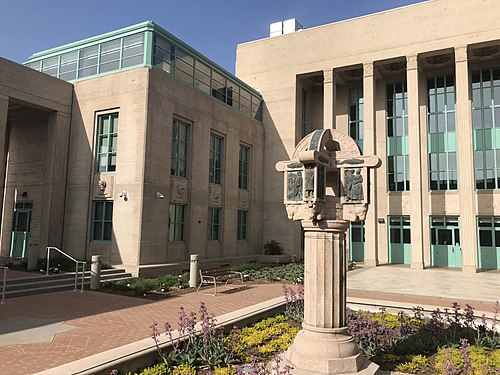
Salinas, California, is a vibrant city located in Monterey County, in the heart of the Salinas Valley. Known as the "Salad Bowl of the World," it plays a crucial role in the agricultural industry, producing a significant portion of the nation’s vegetables, particularly lettuce, broccoli, and strawberries. The city is situated approximately 20 miles southeast of Monterey and is bordered by the Gabilan Mountains to the east, providing a picturesque backdrop for its residents. With a population of around 157,000, Salinas is the largest city in Monterey County and serves as a cultural and economic hub for the region.
Salinas boasts a rich cultural history, heavily influenced by its agricultural roots and proximity to Mexico. This is reflected in its annual festivals, such as the Salinas Valley Food & Wine Festival, which celebrates local cuisine and wine. The city is also noted for its historical significance as the birthplace of legendary author John Steinbeck, whose works often depicted the struggles and life of migrant workers and residents in the area. Steinbeck’s legacy is preserved at the National Steinbeck Center, which showcases his contributions to literature and the historical context of early 20th-century California. Additionally, Salinas has several parks, recreational facilities, and a growing arts scene, including galleries and public art installations, enhancing the city’s cultural landscape.
The economy of Salinas is primarily driven by agriculture, with many residents employed in farming and related industries. However, the city also has a developing industrial base and is attracting tech companies and distribution centers. The climate in Salinas is classified as Mediterranean, characterized by mild, wet winters and cool, dry summers. This climate is conducive to year-round agricultural production. Despite facing challenges like affordable housing and fluctuating economic conditions, the city's diverse community and strong agricultural heritage continue to shape its identity, making Salinas a dynamic and integral part of the Central Coast of California.
Facts about Salinas
- Salinas is known as the 'Salad Bowl of the World' due to its significant agricultural production, particularly in lettuce and other fresh produce.
- The city is the birthplace of renowned author John Steinbeck, who won the Nobel Prize in Literature in 1962, and his works often reflect the region's cultural and historical landscape.
- Salinas hosts the annual California Rodeo, which has been celebrated since 1911 and attracts thousands of visitors each year, showcasing traditional rodeo events and activities.
- The National Steinbeck Center, located in Salinas, is dedicated to preserving and promoting the legacy of John Steinbeck and features exhibits on his life and literature.
- Salinas has a rich agricultural history, with the first settlers arriving in the 1800s, leading to its development into a major farming hub in the region.
- The Salinas Valley is part of the larger Monterey Bay agricultural region, which is recognized for its biodiversity and unique microclimate, allowing for year-round farming.
- The city is home to the Salinas River, which plays a crucial role in the local ecosystem and agriculture, providing vital irrigation for the surrounding farmlands.
- Salinas has been designated as a California Cultural District due to its vibrant arts scene, which includes visual arts, theater, and music, fostering community engagement.
- The Salinas Valley Memorial Healthcare System provides innovative medical services and is a key healthcare provider in Monterey County, underscoring the region’s commitment to health.
- Salinas is in close proximity to several major attractions, such as the Monterey Bay Aquarium and the scenic coastline of Big Sur, making it a strategic base for visitors.