Salta, Argentina
- 520,683 people
- 12 places to visit
- -24.7821, -65.4232
Places to Visit (12)
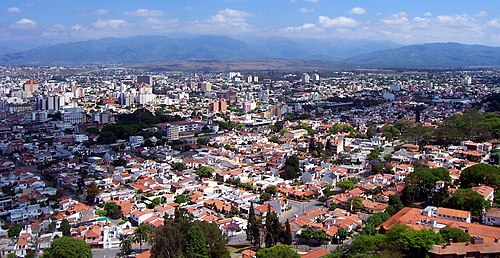
Salta is a picturesque city located in the northwest region of Argentina, known for its colonial architecture, rich indigenous culture, and stunning natural landscapes. Established in 1582, Salta serves as the capital of the Salta Province and is situated at an elevation of approximately 1,152 meters (3,780 feet) above sea level in the foothills of the Andes Mountains. The city has a population of around 600,000 people, making it one of the larger cities in the region. Salta's climate is characterized as subtropical highland, which results in warm summers and mild winters, attracting visitors year-round.
The city is celebrated for its rich cultural heritage, showcased in its well-preserved colonial buildings, including the prominent Salta Cathedral, built in the 18th century, and the impressive Cabildo, which reflects the historical significance of the city during the colonial period. Salta is also known for its vibrant arts scene and traditional festivals, with folklore music and dance at the forefront. Tourists can explore local markets like the Mercado San Miguel, where they can sample traditional Argentine dishes and regional delicacies. Additionally, Salta serves as a gateway to the stunning landscapes of the surrounding region, including the Cerro San Bernardo, which offers panoramic views of the city and hills, and the colorful rock formations of the Quebrada de Humahuaca, a UNESCO World Heritage site.
As a key economic and cultural hub, Salta has been integrating modernity with its deep-rooted history. It plays a vital role in agriculture, primarily in the production of tobacco, sugarcane, and wine, particularly the famous Torrontés grape, which thrives in the unique climate of the region. The city also benefits from tourism, as it attracts visitors to its scenic beauty and recreational offerings, including hiking, and exploring nearby natural wonders like the Salinas Grandes salt flats. With its blend of history, natural beauty, and cultural richness, Salta embodies a unique identity that continues to draw interest from both domestic and international travelers.
Facts about Salta
- Salta is known for its well-preserved colonial architecture, with notable buildings like the Cabildo and the Cathedral of Salta, which showcase Spanish colonial style distinctively.
- The city is often referred to as the 'Salta la Linda' which translates to 'Salta the Beautiful', emphasizing its scenic landscapes and cultural richness.
- Salta is located at a higher elevation than many other Argentine cities, sitting about 1,152 meters (3,780 feet) above sea level, and is surrounded by picturesque mountain ranges.
- It serves as a gateway to the iconic Train to the Clouds (Tren a las Nubes), one of the highest railways in the world, providing stunning views of the Andes.
- The city has a vibrant cultural scene, hosting the annual 'Festival Nacional de la Serenata a Cafayate', which celebrates local music and folklore, attracting visitors from across the country.
- Salta is famous for its local cuisine, particularly dishes like empanadas salteñas and locro, which reflect the cultural blend of indigenous and Spanish influences.
- The region is home to the unique wine-producing area of Cafayate, known for its Torrontés wine, which is lighter and more aromatic than many wines produced elsewhere in Argentina.
- Salta has a remarkable Indigenous heritage, evident in the local Quebrada de Humahuaca, a UNESCO World Heritage site that showcases ancient cultures and stunning natural landscapes.
- Unlike many cities in Argentina that have a European influence, Salta retains a strong indigenous presence and traditions, which are evident in its festivals, music, and arts.
- The MAAM (Museo de Arqueología de Alta Montaña) in Salta is famous for showcasing Inca mummies and artifacts, providing a glimpse into the pre-Columbian history of the Andes.