Salto, Uruguay
- 99,823 people
- 15 places to visit
- -31.3879, -57.9612
Places to Visit (15)
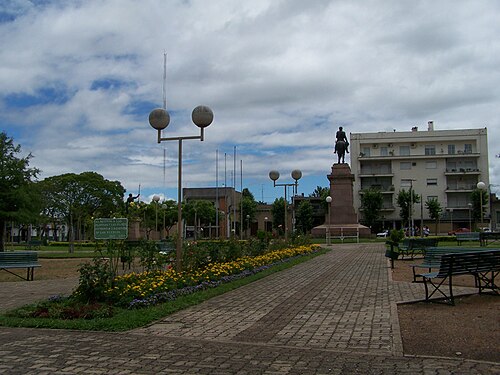
Salto is a city located in the northwest region of Uruguay, serving as the capital of the Salto Department. It is situated along the banks of the Uruguay River, which forms a natural border with Argentina. Established in 1855, Salto is one of the oldest cities in the country and has grown significantly over the years, becoming an important commercial and cultural center. The city's population, as of the latest census in 2023, is approximately 100,000 inhabitants, making it one of Uruguay's larger cities. Its economy is primarily based on agriculture, livestock, and manufacturing, with an emphasis on the production of dairy products, meat, and timber.
Salto is known for its natural beauty, featuring parks, green spaces, and waterways. Notable attractions include the Salto Grande Dam, which is a significant hydroelectric project and a key source of energy for the region. The nearby hot springs, such as Termas del Daymán, are popular tourist destinations, attracting visitors who seek relaxation and therapeutic benefits. Culturally, Salto boasts historical architecture, including the neoclassical Church of San Juan Bautista and various colonial-era buildings. The city hosts several annual events and festivals that celebrate its rich history and cultural heritage, such as the Carnival and the National Festival of the Horse, which showcases the local equestrian traditions. With a blend of cultural richness, economic vitality, and natural attractions, Salto continues to be a key player in Uruguay's development and tourism sector.
Facts about Salto
- Salto is known for its hot springs, particularly the Termas del Daymán, which attract tourists for their therapeutic properties.
- The city is one of the oldest in Uruguay, founded in 1855, making it rich in history and colonial architecture.
- Salto is home to the Salto Grande Dam, a major hydroelectric power plant shared with Argentina, which is one of the largest in the region.
- The city has a unique cultural heritage, with a blend of indigenous, Spanish, and Italian influences evident in its festivals and cuisine.
- Salto hosts the annual 'Oktoberfest', celebrating German culture with traditional music, food, and beer, making it one of the largest festivals of its kind in Uruguay.
- The Salto National Park, located nearby, is notable for its diverse flora and fauna, making it a popular destination for nature lovers.
- Salto is recognized for its agricultural contributions, particularly in dairy and citrus production, and hosts the annual Citrus Festival.
- Unlike other cities in Uruguay, Salto features a significant number of historical buildings, including the historic Cathedral of Salto, showcasing neoclassical architecture.
- The city has a vibrant arts scene, with various local artists and galleries contributing to Salto's reputation as a cultural hub.
- Salto is strategically located near the Uruguay River, facilitating trade and tourism between Uruguay and neighboring countries.