Salzgitter, Germany
- 103,866 people
- 13 places to visit
- 52.1379, 10.3899
Places to Visit (13)
Salzgitter is a city located in Lower Saxony, Germany, approximately 50 kilometers southwest of Hanover. With a population of about 100,000 inhabitants, it stands as one of the larger cities in the region. The city was established in its current form in the mid-20th century, specifically in 1942, when several smaller towns and communities were amalgamated. Salzgitter has a rich mining and industrial heritage, primarily known for its iron and steel production, which dates back to the early 20th century. The German Steel Company (Deutsche Edelstahlwerke) played a significant role in developing the city's industrial sector, solidifying Salzgitter’s position as a key player in the steel industry.
With a focus on economic development, Salzgitter has diversified its economic base in recent years, fostering growth in the technology and service sectors while maintaining its industrial roots. It is home to numerous companies and research institutions, making it an important center for innovation in engineering, information technology, and environmental sustainability. The city also prioritizes education and vocational training, with institutions like the Salzgitter Institute of Technology and various training centers aimed at equipping the workforce for future challenges. Salzgitter is noted for its green spaces and parks, providing residents with a pleasant environment that balances urban life with nature. Cultural offerings include museums, theaters, and annual festivals that celebrate the city's diversity and history, attracting visitors and enriching the community’s social fabric.
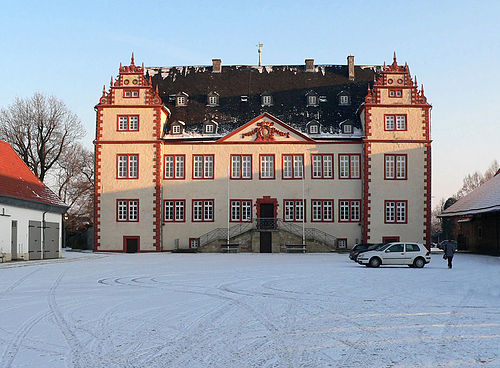
Tourism in Salzgitter is supported by its historical landmarks and natural features. Notable sites include the Salzgitter Castle, which dates back to the 14th century and serves as a significant historical monument, and the nearby Salzgitter-Bad, known for its mineral springs and wellness facilities. The city’s layout encourages outdoor activities, with various hiking and biking trails that attract nature enthusiasts. Salzgitter also emphasizes sustainability and has implemented various initiatives to promote ecological awareness and improve quality of life for residents. Overall, Salzgitter is a city that embodies the blend of industrial heritage and modern innovation, making it a unique destination in Lower Saxony.
Facts about Salzgitter
- Salzgitter is a unique city in Germany that was formed in 1942 through the merger of several smaller towns, making it a newer city compared to many historical cities in the country.
- The city is known for its significant role in steel production and has been an industrial hub, particularly due to its steelworks established in the early 20th century.
- Salzgitter is home to the historic Salzgitter Castle, which dates back to the 14th century and offers a glimpse into the city's medieval history.
- The city is located in a region known for its salt deposits, and the name 'Salzgitter' itself translates to 'Salt Well,' highlighting its historical connection to salt mining.
- Salzgitter offers a unique blend of industry and nature, featuring the Salzgitter Bad, a spa area renowned for its therapeutic saltwater springs.
- The city hosted the International Garden Exhibition (IGA) in 1992, which showcased innovative landscape design and attracted visitors from around the world.
- Salzgitter has a notable educational institution, the Ostfalia University of Applied Sciences, which focuses on practical and applied sciences.
- The city maintains several recreational areas, including parks and lakes, which are less common in more industrialized urban areas in Germany.
- Salzgitter is also recognized for its commitment to sustainability and environmental initiatives, positioning itself as a leader in eco-friendly practices among industrial cities.
- The city has a diverse cultural scene, with various events and festivals celebrating its industrial heritage, including the annual 'Salzgitter Open,' a local event that promotes arts and crafts.