Salzwedel, Germany
- 21,058 people
- 8 places to visit
- 52.8497, 11.1515
Places to Visit (8)
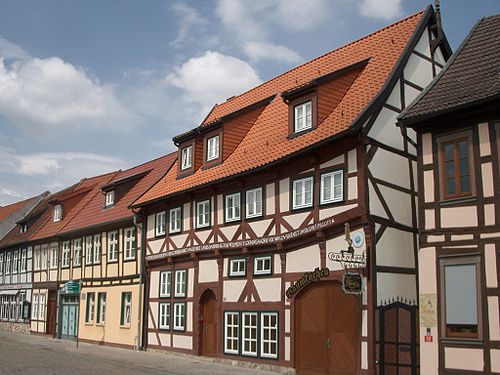
Salzwedel is a historic city located in the Altmark region of Saxony-Anhalt, Germany. Renowned for its medieval charm and rich history, Salzwedel lies along the Jeetze River and serves as the administrative center of the district of Salzwedel. With a population of approximately 17,000 residents, the city is characterized by its well-preserved architecture, including a variety of half-timbered houses and significant buildings from different historical periods. One of the city's standout landmarks is the St. Mary's Church, a striking example of Gothic architecture built during the 14th century. The church is notable for its intricate wooden altar and impressive stained glass windows that attract both locals and visitors alike.
Salzwedel is also recognized for its historical significance as a trading hub in the Middle Ages, especially within the Hanseatic League. The city played a crucial role in regional commerce, leveraging its strategic location on important trade routes. Today, Salzwedel is famous for its traditional culinary delights, particularly the Salzwedel marzipan, which has gained recognition beyond its borders. The city hosts various cultural events and festivals throughout the year, showcasing its rich heritage and community spirit. Furthermore, Salzwedel's surrounding natural landscapes offer opportunities for outdoor activities, including hiking and cycling, making it a destination for those seeking both cultural experiences and adventures in nature. The combination of historical significance, architectural beauty, and community-focused events ensures that Salzwedel remains a notable location in Germany's cultural and historical tapestry.
Facts about Salzwedel
- Salzwedel is renowned for its production of marzipan, a sweet made from ground almonds and sugar, which has a long history in the city dating back to the 19th century.
- The city possesses well-preserved medieval town walls, which include several towers and gates, offering a glimpse into its historical fortifications.
- Salzwedel is known for its unique 'Salzwedeler Baumkuchen,' a traditional layered cake that is a specialty of the region, often referred to as the 'King of Cakes' in Germany.
- The city celebrates the annual 'Salzwedeler Stadtfest,' which showcases local culture, food, and music, highlighting its community spirit.
- Salzwedel's historic center features a mix of Gothic and Renaissance architecture, including the impressive St. Stephen's Church, which dates back to the 14th century.
- The city is situated at the confluence of the Jeetze and the Salzwedel rivers, with beautiful natural landscapes surrounding it, contributing to its picturesque charm.
- Salzwedel has its own unique dialect, which is part of the Low German language group, distinguishing its cultural identity from other regions of Germany.
- It played a significant role in the salt trade during the Middle Ages, and its name translates to 'Salt Wattle,' reflecting its historical economic significance tied to salt production.
- The city is also recognized for its contributions to the timber industry, particularly in the production of wooden toys and crafts, which are popular throughout Germany.
- Salzwedel is a member of the 'Historical Towns of Germany' association, emphasizing its commitment to preserving historical architecture and cultural heritage.