Samara, Russian Federation
- 1,163,399 people
- 14 places to visit
- 53.2038, 50.1606
Places to Visit (14)
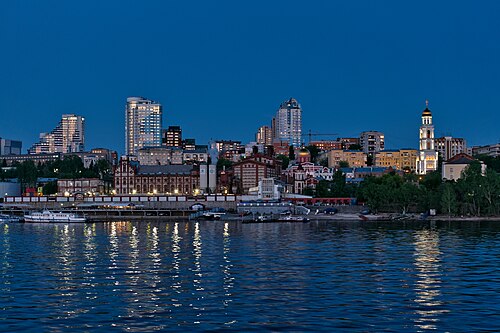
Samara is a significant city located in the eastern part of the Russian Federation, along the banks of the Volga River. It serves as the administrative center of Samara Oblast, and it is one of the largest cities in the country, boasting a population of over one million inhabitants. Founded in 1586 as a fortress to defend against invasions from various external threats, Samara has evolved into an important cultural and economic hub in Russia. Its strategic location along the Volga lends itself to trade and transportation, facilitating connections to various regions within the country and beyond.
The city has a rich history, particularly during the 19th and 20th centuries, when it became a center for industry and agriculture. The industrial growth was fueled by the establishment of factories, including those focused on manufacturing aeronautics and automotive components, which played a crucial role in the Soviet economy. Samara is also notable for its role during World War II, when it served as a relocation site for key industries that were moved away from the conflict zones. Additionally, the city was an important center for scientific research, contributing to advancements in space technology and engineering.
Modern Samara is characterized by a blend of historical and contemporary architecture, with landmarks such as the Samara Space Museum and the Volga River waterfront, which attract both residents and tourists. The city's landscape features striking buildings from various periods, including neoclassical and modern styles, and offers numerous parks and recreational areas. The local economy thrives on manufacturing, services, and tourism, with a growing emphasis on enhancing infrastructure and urban development. Cultural life in Samara is rich, with various museums, theaters, and annual festivals celebrating arts, music, and local traditions, making it not only an economic powerhouse but also a vibrant cultural center in Russia.
Facts about Samara
- Samara is known for the Volga River, which is the longest river in Europe and provides the city with picturesque views and recreational opportunities.
- The city has a rich history as a significant political and military center during the Russian Civil War, notably serving as a base for the White Army.
- Samara is home to the unique Zhiguli Nature Reserve, which features diverse flora and fauna and is an important ecological site.
- The iconic Samara Space Museum celebrates the city's role in the Soviet space program, including the development of the Vostok and Soyuz spacecraft.
- Samara boasts the largest and tallest statue of Lenin in the world, located in the city's central square.
- The city's historic architecture reflects a blend of various styles, including Russian Revival, Neoclassicism, and constructivism, making it an architectural treasure.
- Samara is famous for its Samara beer, which is a significant part of the local culture and brewing history.
- The city hosted several matches during the 2018 FIFA World Cup, showcasing its capability to host international events.
- Samara has a vibrant cultural scene, with numerous theaters, museums, and annual festivals that highlight local art and history.
- The local cuisine features unique dishes influenced by the multicultural population, such as 'kulebyaka' and 'syrniki', which attract food enthusiasts.