Sambalpur, India
- 162,887 people
- 10 places to visit
- 21.4669, 83.9812
Places to Visit (10)
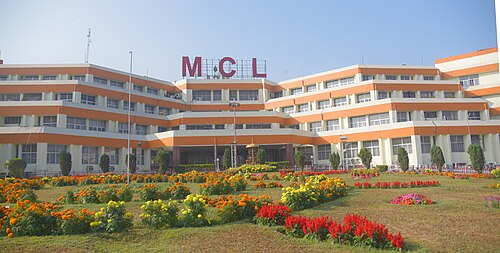
Sambalpur is a prominent city located in the western part of the Indian state of Odisha. It serves as the administrative headquarters of the Sambalpur district and is situated on the banks of the Mahanadi River, which has played a crucial role in its development and sustenance. The city is approximately 300 kilometers from the state capital, Bhubaneswar, and forms a part of the historical region known as Koshal. Sambalpur has a rich cultural heritage, deeply embedded in the traditions and customs of the local population, primarily dominated by the Sambalpuria community. The city is renowned for its vibrant handloom products, particularly the intricate Sambalpuri sarees made from ikat fabric, which have earned national and international acclaim.
Sambalpur is also renowned for its natural beauty, characterized by rolling hills and lush forested landscapes. The city serves as a gateway to various natural attractions, including the picturesque Hirakud Dam, one of the longest earthen dams in the world, which not only plays a pivotal role in irrigation and hydroelectric power generation but also offers recreational opportunities. Additionally, the nearby Debrigarh Wildlife Sanctuary is home to diverse flora and fauna and attracts wildlife enthusiasts and nature lovers. In terms of infrastructure, Sambalpur is well-connected by road and rail, facilitating easy access to significant cities and regions. The city celebrates several festivals with great enthusiasm, among which the Sambalpur Chitra Mela, a traditional art and craft fair, showcases local artisans' skills and craftsmanship, thereby contributing to the city’s cultural and economic landscape.
Economically, Sambalpur has evolved to include diverse sectors such as agriculture, industry, and commerce. The fertile plains around the Mahanadi River support agriculture, with rice, pulses, and oilseeds being the primary crops. The industrial sector has seen development over the years, with the establishment of various small and medium enterprises, including those focused on mining and processing minerals due to the region's rich mineral resources, such as coal and bauxite. Education in Sambalpur has also been evolving, with several educational institutions providing quality education, thereby contributing to an increasingly skilled workforce. The city's blend of natural beauty, cultural richness, and economic potential makes it a noteworthy place in Odisha and a significant urban center in India's diverse landscape.
Facts about Sambalpur
- Sambalpur is known for its unique Sambalpuri sarees, which are handwoven and recognized for their intricate designs and vibrant colors, reflecting the local culture.
- The city is home to the Hirakud Dam, one of the longest earthen dams in the world, which plays a significant role in irrigation and power generation in the region.
- Sambalpur has a rich historical significance, being a part of the ancient kingdom of South Kosala, with remnants of temples and ruins reflecting its historical heritage.
- The Samaleswari Temple in Sambalpur, dedicated to Goddess Samaleswari, is a prominent pilgrimage site and showcases remarkable architecture distinct from other temples in India.
- Sambalpur hosts the 'Sambalpuri Mela', an annual festival celebrating local traditions, art, and crafts, attracting visitors from all over the country.
- The city has a vibrant cultural scene, with traditional dance forms such as 'Sambalpuri Dance' and 'Ghoda Nautan' often performed at various local festivals.
- Sambalpur is the administrative and educational hub of Western Odisha, hosting several colleges and universities, distinct from many other growing towns in the region.
- The Mahanadi River, which flows through Sambalpur, is significant for its historical trade routes, providing a vital means of transport and commerce in earlier times.
- Sambalpur's eco-tourism potential is highlighted by natural attractions like the Debrigarh Wildlife Sanctuary and the beautiful landscapes surrounding the city.
- The city is famous for the annual 'Chhath Puja', a unique festival dedicated to the Sun God, featuring colorful celebrations that attract large community participation.