Sambava, Madagascar
- 89,003 people
- 1 places to visit
- -14.2713, 50.1678
Places to Visit (1)
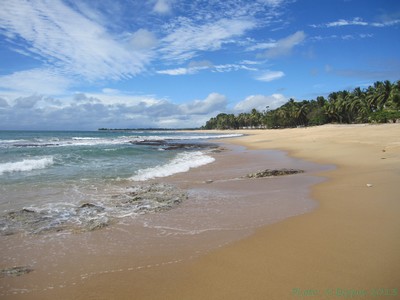
Sambava is a city located on the northeastern coast of Madagascar, serving as the capital of the Sava Region. Positioned along the Indian Ocean, it is nestled between lush rainforests and the fertile plains that define this part of the island. Sambava has a population of approximately 40,000 residents, making it one of the more populous cities in the region. The city is known for its significant production of vanilla, which is a key cash crop and a vital part of the local economy. The surrounding rural areas are predominantly agricultural, with farmers engaging in the cultivation of various crops including rice, cocoa, and cloves, alongside the much-coveted vanilla.
Rich in biodiversity, Sambava is also a gateway to some of Madagascar’s unique natural attractions. The region is characterized by its tropical climate and diverse ecosystems, which include lush rainforests that are home to many endemic species of plants and animals. Nearby national parks, such as Marojejy National Park, offer hiking trails and opportunities for ecotourism, drawing visitors keen to explore the indigenous wildlife and pristine landscapes. Cultural influences in Sambava are a blend of Malagasy traditions and the heritage of various ethnic groups, which is reflected in local customs, music, and festivals. The city's vibrant markets showcase these cultural elements, with local artisans and farmers selling traditional crafts, fresh produce, and, of course, vanilla products, which are highly sought after both locally and internationally.
Sambava's infrastructure has seen improvements in recent years, with better access to transportation and basic services enhancing the quality of life for its residents. The city is served by a regional airport connecting it to Antananarivo, the capital of Madagascar, and other major cities, which helps facilitate trade and travel. As Madagascar continues to face various economic and environmental challenges, Sambava plays an essential role in the region’s sustainability efforts through its agricultural practices and growing tourism sector. The blend of natural beauty and cultural richness makes Sambava a distinctive part of Madagascar's multifaceted identity, inviting those who seek both adventure and a glimpse into the island's unique way of life.
Facts about Sambava
- Sambava is known as the vanilla capital of Madagascar, contributing significantly to the country's vanilla production.
- The city is situated on the northeast coast of Madagascar, making it one of the key export hubs for vanilla and other agricultural products.
- Sambava serves as the administrative center for the Sava Region, which includes the districts of Antalaha and Vohemar.
- The city's history is closely linked to the development of the vanilla industry, which began in the late 19th century and has since become a vital part of its economy.
- Sambava is home to lush tropical rainforests and is near the Masoala National Park, known for its biodiversity and unique flora and fauna.
- The city hosts an annual vanilla festival, celebrating the harvest and importance of vanilla to the local culture and economy.
- Sambava’s location along the Indian Ocean provides it with beautiful beaches and opportunities for ecotourism, distinguishing it from inland cities.
- The population in Sambava is diverse, including various ethnic groups such as the Antankarana and Tsimihety, each contributing to the cultural richness of the area.
- Sambava is a key transit point for travelers heading to and from the remote Masoala Peninsula, a UNESCO World Heritage site.
- The city has seen growth in small-scale agriculture and sustainable projects, promoting community development while preserving the rich natural environment.