Sambhal, India
- 196,109 people
- 8 places to visit
- 28.5904, 78.5718
Places to Visit (8)
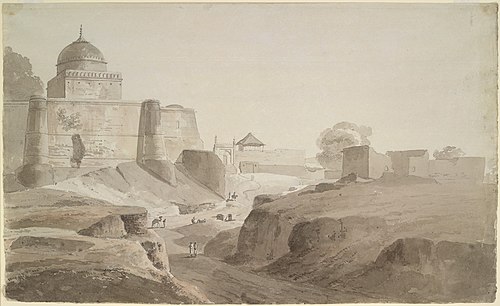
Sambhal is a city located in the Sambhal district of Uttar Pradesh, India. Historically, it is known for its rich cultural heritage and diverse community, with roots tracing back to ancient times. The city was once referred to as "Shahabad" and was under the rule of the Mughals, which influenced its architecture and urban layout. Sambhal is strategically positioned approximately 50 kilometers northwest of Moradabad and about 150 kilometers from the national capital, New Delhi, making it accessible for trade and travel. The local economy predominantly relies on agriculture, with the surrounding rural areas cultivating crops such as wheat, sugarcane, and millet. In addition to agriculture, Sambhal is famed for its wooden handicrafts, particularly intricate carvings and decorative items, which are sought after both domestically and internationally.
The demographic composition of Sambhal reflects a mix of various communities, primarily a blend of Hindus and Muslims, contributing to a vibrant cultural tapestry. Festivals such as Diwali, Eid, and Holi are celebrated with enthusiasm, showcasing the city's communal harmony. Education has seen improvements in recent years, with various schools and colleges being established to cater to the needs of the local population. Noteworthy landmarks in the city include the ancient Jama Masjid, which showcases beautiful Mughal architecture, and various temples that highlight the religious diversity of the region. Additionally, Sambhal is known for its local markets, where artisans sell traditional crafts, food items, and textiles, making it an important trade center in the region. Collectively, Sambhal embodies both historical significance and contemporary relevance, serving as a vital link between the past and the future within the socio-economic landscape of Uttar Pradesh.
Facts about Sambhal
- Sambhal is known for its traditional craftsmanship, particularly in the making of intricate 'Sambhal' horn products, which are popular across India.
- The city is home to the ancient landmark of the 'Shah Najaf Imambara', a historical monument that reflects Indo-Islamic architecture and attracts many visitors.
- Sambhal has a significant historical connection to the Mughal Empire, serving as a center for trade and commerce in the past.
- The legendary figure 'Raja Sambhal', after whom the city is named, is believed to have founded the city around 1150 AD.
- Sambhal is also recognized for its vibrant culture, particularly its traditional folk music and dance, which is deeply rooted in the local heritage.
- The city hosts the annual 'Sambhal Festival', which celebrates local crafts, cuisine, and cultural performances, promoting tourism and local artisans.
- Sambhal is known for its unique 'Shisha' (mirror work) in crafts, a technique that has gained prominence in interior decoration across the country.
- The district of Sambhal has a strong presence of various religious communities, showcasing the city's multicultural identity with temples, mosques, and other places of worship.
- Sambhal is strategically located in Uttar Pradesh, making it a crucial hub for agriculture and trade, particularly for agricultural products such as sugarcane and wheat.
- The city has made strides in education, with several institutions focusing on vocational training and skill development to empower the local youth.