Samokov, Bulgaria
- 26,765 people
- 3 places to visit
- 42.337, 23.5528
Places to Visit (3)
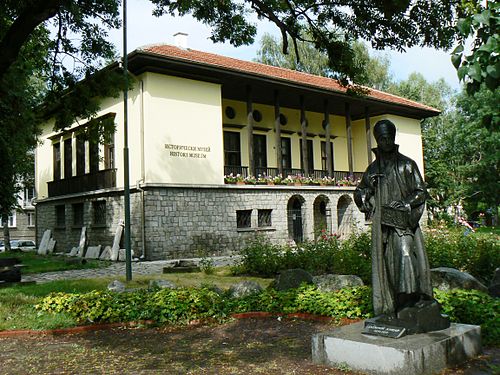
Samokov is a picturesque town located in Bulgaria, nestled at the foot of the Rila Mountains, approximately 50 kilometers southeast of Sofia, the capital city. The town is situated at an elevation of 990 meters above sea level and is known for its rich history, cultural heritage, and natural beauty. Samokov has a population of around 26,000 residents and serves as a center for various outdoor activities, including skiing, hiking, and mountain biking, thanks to its proximity to the popular ski resort of Borovets, which is just a short drive away.
Historically, Samokov has played an important role in Bulgarian culture and economy since the Middle Ages. It was known as a significant craft and trade center in the 18th and 19th centuries, particularly for its production of fine ceramics and textiles. The town's architectural landscape is characterized by well-preserved houses from this period, showcasing the traditional Bulgarian Renaissance style. Furthermore, the Church of St. Nicholas, built in the 18th century, stands out as an architectural gem and a symbol of the town's religious heritage. Samokov is also home to several monasteries and cultural institutions, including the Samokov Historical Museum, which houses artifacts that reflect the region's history and traditions.
In addition to its cultural and historical significance, Samokov offers numerous opportunities for outdoor enthusiasts, owing to its scenic surroundings. The nearby Rila National Park, one of Bulgaria's most renowned protected areas, features stunning landscapes, rich biodiversity, and several glacial lakes. The town serves as a gateway for visitors seeking to explore the natural wonders of the Rila Mountains, including the highest peak in the Balkans, Mount Musala. The region’s combination of cultural heritage and natural beauty makes Samokov an attractive destination for both domestic and international tourists, contributing to its growing recognition as an important center for leisure and exploration in Bulgaria.
Facts about Samokov
- Samokov is known for its historical significance as a major center for trade and crafts during the Ottoman period, particularly for its production of wool and leather goods.
- The city is famous for the Rila Monastery, a UNESCO World Heritage site located nearby, which is considered one of Bulgaria's most important cultural and religious landmarks.
- Samokov is situated at the foot of the Rila Mountains and serves as a gateway to the Rila National Park, making it a hub for mountain tourism and outdoor activities.
- The town has a rich history of producing prominent figures in Bulgarian culture, including the painter and sculptor Nako Stoyanov and writer Georgi Mistislavski.
- Samokov is the birthplace of the renowned Bulgarian ice hockey player, Nikolay Kolesnikov, who played in international competitions and contributed to the sport's development in Bulgaria.
- The city holds the annual Samokov Alpine Ski Festival, which attracts athletes and enthusiasts from around the country and showcases the region's winter sports capabilities.
- Samokov boasts the remarkable Church of Saint Nicholas, a notable example of Bulgarian Renaissance architecture, famous for its beautiful frescoes and intricate craftsmanship.
- The area around Samokov is rich in mineral springs, leading to the establishment of various spa complexes that promote wellness and relaxation.
- Samokov has been a site of significant archaeological discoveries, including artifacts from the Thracian period, highlighting its historical importance in early Bulgarian history.
- The city is closely linked to the sport of skiing and was the host city for various national and international skiing championships, contributing to Bulgaria's reputation in winter sports.