San Andrés del Rabanedo, Spain
- 30,820 people
- 5 places to visit
- 42.6113, -5.6175
Places to Visit (5)
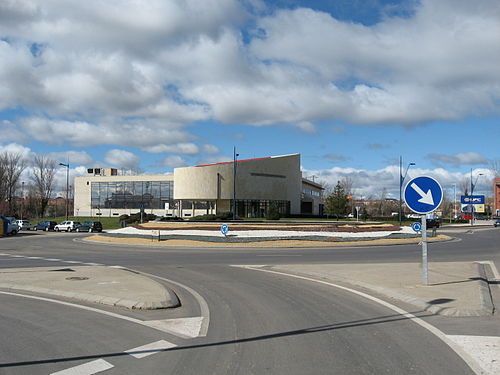
San Andrés del Rabanedo is a municipality located in the province of León, in the autonomous community of Castile and León, Spain. Situated just west of the city of León, it is part of the León metropolitan area. The municipality covers an area of approximately 15.5 square kilometers and has a population of around 18,000 residents as of the latest census. San Andrés del Rabanedo is known for its strategic location, making it a residential area for those who work in León while still providing a local community atmosphere.
The town is characterized by a mix of modern development and traditional culture. It features a variety of services and amenities, including schools, parks, commercial centers, and sports facilities. San Andrés del Rabanedo is also home to several notable landmarks, such as the Church of San Andrés, which dates back to the 18th century, and various public spaces that host cultural events throughout the year. The local economy is primarily driven by residential living, with many inhabitants commuting to León for employment.
Culturally, San Andrés del Rabanedo embraces both its historical roots and modern influences. The municipality celebrates various festivals, including local patron saint festivities that highlight the community's vibrant traditions. The town's proximity to León enhances its appeal, as residents enjoy easy access to the rich historic and cultural offerings of the larger city while benefiting from a quieter suburban lifestyle. Overall, San Andrés del Rabanedo continues to grow as an attractive area for families and individuals seeking a balance between urban and suburban living in Spain.
Facts about San Andrés del Rabanedo
- San Andrés del Rabanedo is known for its rich ironworking history, which dates back to the industrial era, reflecting the region’s significance in Spain's industrial development.
- The municipality is part of the León metropolitan area and serves as a residential hub for those working in the city of León, yet retains its distinct local identity.
- San Andrés del Rabanedo hosts several traditional festivals, including the Fiesta de San Andrés, which celebrates the patron saint with parades, music, and local cuisine.
- The town is home to notable modern architecture, including the striking San Andrés del Rabanedo Church, which features contemporary design elements and beautiful stained glass.
- The region around San Andrés del Rabanedo offers access to natural parks, such as the nearby Picos de Europa, making it an attractive spot for hiking and outdoor activities.
- San Andrés del Rabanedo is known for its active local sports culture, with various clubs and facilities supporting soccer, basketball, and other community sports.
- The town's proximity to León provides residents and visitors with easy access to cultural sites, including the UNESCO-listed León Cathedral and the historic Barrio Húmedo.
- San Andrés del Rabanedo is characterized by its diverse culinary scene, where traditional Leonese dishes are celebrated, including 'morcilla' (blood sausage) and 'cecina' (cured beef).
- The municipality has undertaken various urban development projects aimed at improving public spaces and enhancing the quality of life for its residents in recent years.
- San Andrés del Rabanedo has demonstrated a commitment to sustainability and ecological initiatives, promoting recycling programs and green spaces for community use.