San Cristóbal, Dominican Republic
- 154,040 people
- 11 places to visit
- 18.4169, -70.1072
Places to Visit (11)
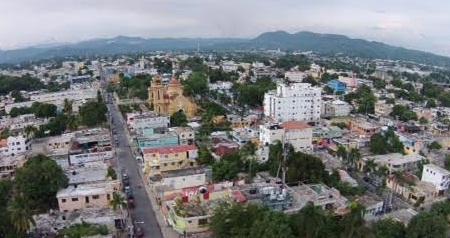
San Cristóbal is a city located in the southern region of the Dominican Republic, serving as the capital of the San Cristóbal province. Founded in the early 16th century, it has grown to become one of the significant urban centers in the country. The city is situated approximately 30 kilometers west of Santo Domingo, the capital of the Dominican Republic, and is strategically positioned along major transportation routes. San Cristóbal is known for its rich cultural history and vibrant local community, characterized by a mix of urban and rural influences. The city has a population of around 200,000 residents, making it one of the largest municipalities in the Dominican Republic.
San Cristóbal is recognized for its contributions to the country's political and cultural landscape. It was the birthplace of several prominent figures in Dominican history, including Juan Pablo Duarte, one of the founding fathers of the nation. The city's historical architecture, which includes colonial-era buildings and churches, reflects its significance in the early colonial era. Among notable landmarks is the Church of San Cristóbal, which serves as a focal point for both the community and visitors. The city also benefits from a range of educational institutions, contributing to a growing emphasis on learning and development. San Cristóbal hosts various festivals and cultural events throughout the year, showcasing traditional music, food, and crafts that celebrate Dominican heritage. The local economy is diverse, relying on agriculture, trade, and small-scale manufacturing, with specific emphasis on the cultivation of crops such as sugarcane and coffee, which play a vital role in the region's economy.
Despite facing challenges such as urbanization and socio-economic pressures, San Cristóbal continues to thrive as a key player in the Dominican Republic's development. Its close proximity to Santo Domingo allows for ongoing economic interactions and cultural exchanges, enhancing its role as a suburban locale with urban characteristics. The city also benefits from its natural surroundings, which include the picturesque mountainous regions nearby that attract nature enthusiasts and promote eco-tourism. In essence, San Cristóbal represents a blend of historical richness, cultural vibrancy, and a commitment to community, making it an integral part of the Dominican Republic's identity.
Facts about San Cristóbal
- San Cristóbal is known for its vibrant Carnival celebrations, which feature colorful parades and traditional costumes unique to the region.
- The city is home to the historic San Cristóbal Church, one of the oldest churches in the Dominican Republic, dating back to the colonial period.
- San Cristóbal was named after Saint Christopher, the patron saint of travelers, and has a rich connection to religious traditions in the country.
- It is recognized for its agricultural production, particularly rice and coffee, making it an important economic hub in the Cibao region.
- The town features the Monumento a la Paz, a prominent landmark that commemorates historical events and promotes peace in the community.
- San Cristóbal served as a temporary capital of the Dominican Republic during times of political and social upheaval in the 19th century.
- The city is known for its sports culture, particularly in basketball, with several local teams participating in national leagues.
- San Cristóbal has produced various notable figures in Dominican history, including politicians, artists, and athletes who have made significant contributions to the nation.
- The region is famous for its traditional Dominican dishes, especially those featuring local ingredients, which reflects the city's culinary heritage.
- The current municipal government has focused on urban development projects that aim to enhance the city's infrastructure and public services, distinguishing it from other towns.