San Felipe, Venezuela
- 206,270 people
- 8 places to visit
- 10.3402, -68.7453
Places to Visit (8)
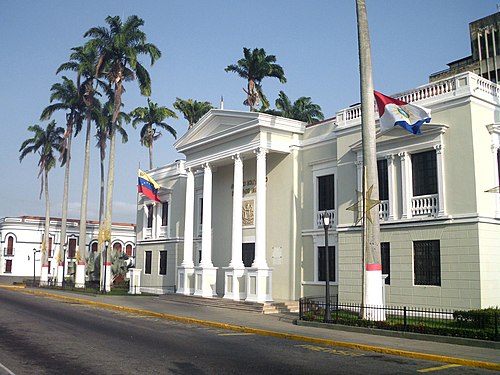
San Felipe is the capital city of the state of Yaracuy in Venezuela, located in the northern part of the country. This city, founded on March 24, 1561, has a rich historical background, evidenced by its colonial architecture and significant landmarks. San Felipe serves as an administrative and commercial hub for the region and is situated near the Yaracuy River, which plays a role in the local ecosystem and economy. The city is strategically located close to the central part of Venezuela, making it vital for trade and transport within the country.
The population of San Felipe is approximately 90,000 inhabitants, and it reflects a blend of cultural influences, including indigenous, Spanish, and African heritages. The local economy is primarily based on agriculture, commerce, and small-scale industries. San Felipe's markets and shops offer a variety of local goods, contributing to the vibrant economic landscape. Additionally, the city is known for its educational institutions and has an increasing number of cultural events that celebrate its traditional practices and folklore. Notable sites within San Felipe include the Cathedral of San Felipe, the historic Plaza Bolivar, and various parks that provide recreational spaces for residents and visitors alike.
With a tropical climate characterized by a wet season and a dry season, San Felipe experiences a diverse range of weather patterns, impacting agricultural practices and lifestyles. However, like many cities in Venezuela, San Felipe has faced challenges due to the national economic crisis, leading to issues like inflation, shortage of basic goods, and inadequate public services. Despite these difficulties, the resilience of its inhabitants, coupled with a strong sense of community and local pride, continues to drive efforts aimed at revitalizing the city and preserving its rich cultural heritage. San Felipe remains a focal point within Yaracuy state, balancing historical significance with contemporary challenges and aspirations.
Facts about San Felipe
- San Felipe is the capital of the Yaracuy state in Venezuela, an important agricultural region known for its sugar cane and coffee production.
- The city was founded in 1704, making it one of the older settlements in Venezuela, which distinguishes it from many modern towns that were established later.
- San Felipe is home to the historic San Felipe Chapel (Iglesia de San Felipe), a beautiful colonial church that showcases Baroque architecture, unique to the area's religious structures.
- The city's central square, Plaza Bolivar, is a key cultural and social hub, featuring distinct Venezuelan architecture and serving as a venue for local events and festivities.
- San Felipe played a significant role during the Venezuelan War of Independence, particularly with its strategic location and local militia contributions.
- The city's economy is further diversified by artisanal crafts, particularly the production of traditional textiles and leather goods, which is a unique local industry.
- San Felipe hosts the annual 'Festival del día del árbol', a tree-planting festival that attracts both locals and visitors, promoting environmental awareness.
- The nearby Páramo de La negra, located just outside the city, is a unique ecological zone known for its diverse flora and fauna, setting it apart from most urban areas in Venezuela.
- San Felipe's proximity to the Andes mountains offers stunning natural landscapes and opportunities for ecotourism, distinguishing it from more coastal or flat regions.
- The city has a vibrant cultural scene, including music and dance festivals that highlight traditional Venezuelan folklore, making it a key center for cultural preservation in the country.