San Fernando, Spain
- 96,366 people
- 15 places to visit
- 36.4719, -6.1966
Places to Visit (15)
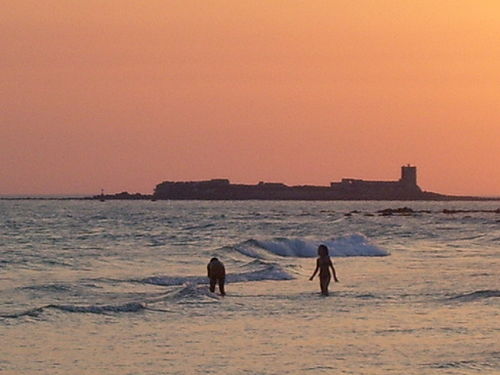
San Fernando is a city located in the province of Cádiz, in the autonomous community of Andalusia, Spain. Known for its rich history and strategic coastal position, San Fernando is situated on the Bay of Cádiz and connected to the mainland by a series of bridges. The city has a population of approximately 97,000 residents, making it a vibrant urban center that plays a crucial role in the socio-economic landscape of the region. Its favorable climate, characterized by hot summers and mild winters, supports a variety of agricultural activities and contributes to its appeal as a tourist destination.
Historically, San Fernando was founded in the 18th century, but its roots extend deeper into the past with the area's earlier settlements. The city became notable for its military significance, particularly as the location of several naval facilities. One of the architectural highlights is the Church of Santa Rosa de Lima, a stunning neo-Gothic structure that symbolizes the city's devotion and historical importance. The city is also known for its role in the Spanish Navy, with the naval base at nearby Cádiz influencing its development and providing employment opportunities for many residents.
Culturally, San Fernando hosts various events and festivals that celebrate its heritage and traditions, including the Carnival, which features lively parades, music, and vibrant costumes. The local cuisine, heavily influenced by Andalusian flavors, offers dishes such as fried fish and shellfish, reflecting its coastal location. Moreover, San Fernando serves as a gateway to explore the surrounding natural beauty, including nearby beaches and the Parque Natural de la Bahía de Cádiz, making it an attractive place for both residents and visitors alike. The blend of history, culture, and natural beauty makes San Fernando a unique city within the rich tapestry of Andalusian life.
Facts about San Fernando
- San Fernando is often referred to as the 'City of the 100 Thousand Palms' due to the large number of palm trees that line its streets and parks.
- The city is home to the Royal Navy's Naval Base of San Fernando, which has a rich maritime history and has been central to Spain's naval activities since the 18th century.
- San Fernando played a crucial role during the Spanish War of Independence and is recognized for its contribution to the creation of the 1812 Constitution of Cadiz.
- The city boasts the unique Casa de la Cultura, which houses a significant collection of works by contemporary artists from the region.
- San Fernando is known for its vibrant celebration of 'Carnaval', featuring colorful parades and performances that draw visitors from across the region.
- The Church of San Pedro, located in the city, is an architectural gem and one of the oldest churches in the area, dating back to the 18th century.
- San Fernando has a unique culinary tradition, particularly known for its seafood dishes, leveraging its proximity to the coast.
- The city is connected to the famous artist and poet, Rafael Alberti, who was born here and is celebrated annually with cultural events.
- San Fernando's location between Cadiz and Puerto Real provides strategic access to both the bay and inland, contributing to its economic importance.
- The Parque Natural Bahía de Cádiz, which encompasses San Fernando, is a designated national park known for its biodiversity and estuary ecosystems.