San José, Costa Rica
- 335,007 people
- 18 places to visit
- 9.9333, -84.0833
Places to Visit (18)
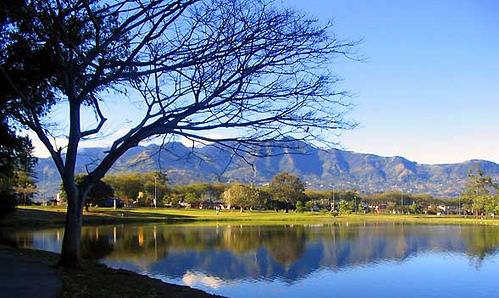
San José is the capital and largest city of Costa Rica, located in the Central Valley region of the country. With a population of over 340,000 inhabitants in the city proper and over 1.5 million in the metropolitan area, it serves as the political, economic, and cultural hub of the nation. Founded in the 18th century, San José became the capital in 1823, thanks in part to its strategic location away from the coastal areas, which were vulnerable to pirate attacks. The city is situated at an elevation of approximately 1,170 meters (3,840 feet) above sea level, providing it with a temperate climate that is generally cooler than the coastal regions. Its urban landscape is characterized by a mix of colonial and modern architecture, with notable buildings like the National Theater, which was inaugurated in 1897, and the Metropolitan Cathedral, both of which reflect the rich cultural heritage of the country.
San José is an important economic center, with a diverse economy that includes sectors such as technology, manufacturing, and tourism. The city has emerged as a hub for international businesses and outsourcing firms, particularly in the tech sector, attracting foreign investment and skilled workers. Notably, the Free Trade Zone program has incentivized the establishment of companies in the area, contributing to economic growth and job creation. The vibrant culture of San José is celebrated through various festivals, art, music, and food scenes, with attractions like the Pre-Columbian Gold Museum and the National Museum of Costa Rica drawing visitors interested in the country's history and heritage. The city's parks, such as La Sabana Metropolitan Park, offer recreational spaces for residents and tourists alike, while its public transportation system, including public buses and a soon-to-be-implemented light rail system, facilitates easy movement throughout the city.
Education and healthcare are significant pillars of San José’s society, with several universities, including the University of Costa Rica, which is one of the oldest and largest in the country. The city is known for its high standard of living, characterized by a focus on sustainability and environmental conservation. San José's residents enjoy various arts and cultural festivals throughout the year, enhancing the city’s vibrancy. As Costa Rica continues to position itself as a leader in sustainability and eco-tourism, San José plays a crucial role in promoting these values while serving as a gateway for visitors exploring the nation's renowned natural beauty, including its national parks and biodiversity.
Facts about San José
- San José is the capital and largest city of Costa Rica, serving as the country's political, economic, and cultural hub.
- The city was founded in 1738 and became the capital in 1823, making it one of the key locations in Costa Rica's history.
- San José is home to the National Theatre of Costa Rica, an architectural gem completed in 1897, which is a central cultural venue in the country.
- Unlike many other cities in Costa Rica, San José has a vibrant urban life with a mix of modern and colonial architecture, including the iconic Metropolitan Cathedral.
- The Pre-Columbian Gold Museum, located in San José, houses an extensive collection of gold artifacts from ancient Costa Rican civilizations, setting it apart from other towns.
- The city serves as a primary hub for higher education, housing several universities, including the University of Costa Rica, the oldest and most prestigious in the country.
- San José is known for its rich coffee culture, with many coffee shops and roasters that reflect the country's status as one of the top coffee producers in the world.
- The Central Market in San José is a bustling location where locals and tourists alike can find fresh produce, handmade goods, and traditional Costa Rican cuisine.
- San José is a central point for accessing various national parks and natural reserves, making it unique for urban dwellers who seek proximity to nature.
- The city hosts the annual Festival Internacional de las Artes, which showcases local and international artists, performing arts, and cultural events, attracting visitors from around the globe.