San Juan, Argentina
- 109,123 people
- 15 places to visit
- -31.5351, -68.5386
Places to Visit (15)
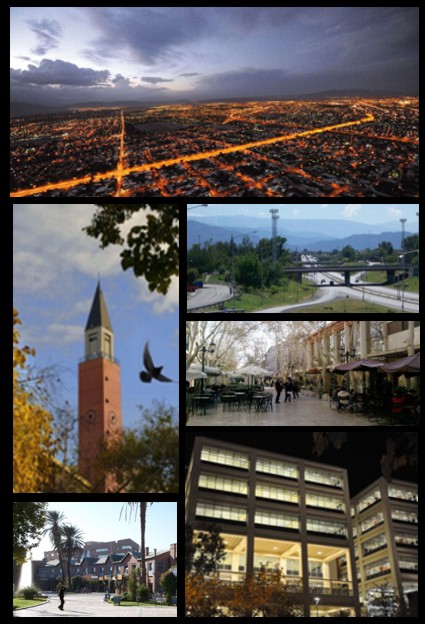
San Juan is a province and a city located in the western part of Argentina, known for its rich history, beautiful landscapes, and thriving wine production. Established in 1562 by Spanish explorer Juan A. de Salazar, San Juan city is the capital of the province of the same name. With a population of approximately 500,000, it serves as a vital cultural and economic hub in the region. Nestled in the foothills of the Andes Mountains, the city is characterized by its warm, arid climate, which contributes to the production of high-quality wines, primarily Malbec and Syrah. San Juan's fertile valleys, particularly the Uco Valley, are renowned for their extensive vineyards and wineries.
The economy of San Juan is driven by agriculture, mining, and tourism. The province is rich in geological resources, notably copper, gold, and silver, and mining activities play a crucial role in its economic development. Additionally, tourism is bolstered by the city's proximity to natural wonders, such as the Ischigualasto Provincial Park, a UNESCO World Heritage Site, known for its unique rock formations and dinosaur fossils. San Juan is also a starting point for excursions to the stunning Andean landscapes, including the Aconcagua, the highest peak in the Americas. The city features a blend of colonial and modern architecture, with landmarks like the Cathedral of San Juan Bautista, the central plaza, and various museums that reflect its cultural heritage. This combination of natural beauty, economic vitality, and historic significance makes San Juan a noteworthy destination in Argentina.
Facts about San Juan
- San Juan is known as the 'Land of Sun' due to its high annual sunshine hours, making it a prime location for agricultural activities, particularly viticulture.
- The city serves as the capital of San Juan Province and is notable as the birthplace of several Argentine presidents, including Domingo Faustino Sarmiento.
- San Juan is home to the famous Ischigualasto Provincial Park, also known as Valley of the Moon, which features unique geological formations and is a UNESCO World Heritage Site.
- The city hosts the Fiesta Nacional del Sol, a major cultural festival that celebrates the region's sun and agricultural bounty, featuring parades, concerts, and traditional dances.
- San Juan has a significant historical perspective, as it was heavily affected by the 1944 earthquake, leading to architectural and urban reforms in the city.
- The region is renowned for its wine production, particularly Malbec and other varietals, and is part of the larger wine route known as the 'Ruta del Vino.'
- San Juan has a unique blend of cultures, with influences from indigenous groups, Spanish colonization, and European immigration evident in its art, food, and traditions.
- The province is also known for the stunning Andes mountains surrounding the city, which offer opportunities for outdoor activities such as hiking and skiing.
- San Juan is recognized for its commitment to solar energy, holding a position as a leader in renewable energy projects in Argentina, particularly solar farms.
- The city features the 19th-century Cathedral of San Juan Bautista, distinguished by its neo-Gothic architecture, which is a prominent landmark in the city.