San Luis de la Paz, Mexico
- 49,914 people
- 13 places to visit
- 21.2934, -100.524
Places to Visit (13)
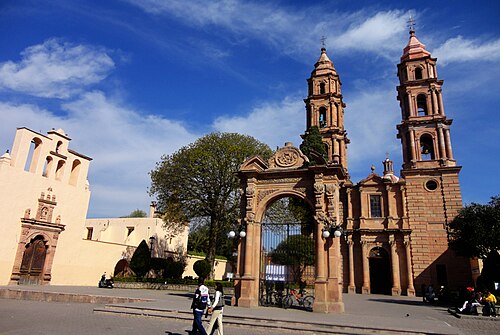
San Luis de la Paz is a city located in the northeastern part of the state of Guanajuato, Mexico. Founded in 1552 by Spanish explorer and missionary Juan de Villanueva, it played a significant role during the colonial period as a crucial site for trade and communication between Mexico City and the northern regions. The city's name honors Saint Louis IX of France, reflecting the influence of European culture and Catholicism in its early development. San Luis de la Paz is situated at an elevation of approximately 2,000 meters (6,600 feet) and is surrounded by a diverse landscape, characterized by semi-desert climate conditions, which allows for unique flora and fauna.
The city serves as the administrative center for the municipality of the same name and has a population of around 50,000 residents. The local economy is predominantly based on agriculture, livestock, and mining, with the latter being particularly important due to the area's rich deposits of silver, copper, and other minerals. In addition to these industries, the city has recently begun to develop its services and commerce sectors, contributing to its growth. San Luis de la Paz is also known for its cultural heritage, with historical architecture that includes colonial-era churches, plazas, and traditional markets that attract both locals and tourists. Events such as the Feast of the Immaculate Conception and the San Luis de la Paz Fair highlight the city’s vibrant community and cultural identity, showcasing its traditional music, dance, and gastronomy.
Despite its rich history, San Luis de la Paz remains a relatively quiet town compared to larger urban centers in Mexico. It serves as a gateway to explore the natural landscapes of the surrounding Sierra de Guanajuato mountains, making it an appealing destination for ecotourism and adventure activities such as hiking and exploring canyons and caves. The city continues to balance its historical significance with modern development, making it a unique blend of old-world charm and contemporary life in the heart of Mexico.
Facts about San Luis de la Paz
- San Luis de la Paz is known for its rich mining history, particularly in silver and gold, which played a significant role in the development of the region during the colonial period.
- The city is home to the historic Temple of San Luis Rey, a 19th-century neoclassical church that showcases the architectural style prevalent in central Mexico.
- San Luis de la Paz celebrates the 'Fiesta de la Virgen de la Luz' every September, which attracts both locals and visitors, featuring traditional music, dance, and religious processions.
- The city is strategically located along the Camino Real, an important historical trade route that linked Mexico City with its northern territories, enhancing its historical significance.
- San Luis de la Paz is known for its production of artisanal leather goods, particularly saddles and boots, which reflects the region's ranching culture.
- The city is often referred to as the 'Gateway to the Sierra Gorda', providing access to the stunning Sierra Gorda Biosphere Reserve, which is rich in biodiversity and natural beauty.
- The local cuisine features unique dishes such as 'Burras' (a type of savory pastry) and various meat-based specialties that differentiate it from other culinary traditions in Mexico.
- San Luis de la Paz hosts a unique traditional fair known as 'La Feria', which showcases local crafts, agricultural products, and entertainment, distinct from other regional fairs.
- The city has a vibrant history of revolutionary activity, being a pivotal site during the Mexican Revolution and hosting various notable figures in the movement.
- San Luis de la Paz is a center for the preservation of indigenous culture, with a focus on the Otomi and Chichimeca peoples, showcasing their traditions through festivals and community events.