San Miguel, Argentina
- 168,762 people
- 7 places to visit
- -34.543, -58.7119
Places to Visit (7)
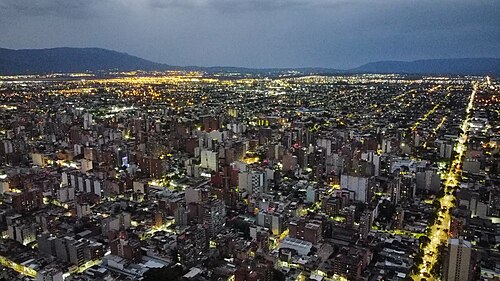
San Miguel is a city located in the Buenos Aires Province of Argentina, situated approximately 30 kilometers (about 19 miles) northwest of the country’s capital, Buenos Aires. As part of the Greater Buenos Aires metropolitan area, San Miguel has developed into a bustling urban center, with a rich history that traces back to its founding in the 18th century. The area was originally established by Spanish settlers and named after Saint Michael, the patron saint of soldiers, which reflects the city’s historical ties to colonial influences. Over the years, San Miguel has evolved from a rural settlement into a vital suburban city, characterized by its diverse population and economic activities.
The city's economy primarily relies on small and medium-sized enterprises, with a focus on commerce, manufacturing, and services. San Miguel is home to several shopping centers, local markets, and a variety of industries that contribute to the local job market. In recent years, the city has seen an increase in residential development, resulting in a growing population that exceeds 100,000 residents. San Miguel boasts several educational institutions, including primary and secondary schools, as well as technical colleges, catering to a range of academic needs. Additionally, its public parks and recreational areas provide residents with space for outdoor activities and community events, contributing to the quality of life in the city.
Culturally, San Miguel is characterized by its vibrant community spirit and an array of festivals that reflect Argentine traditions, such as the annual celebrations of national holidays and local fairs that showcase regional arts and crafts. The city has also made strides in improving urban infrastructure, transportation, and public services, which enhances accessibility to Buenos Aires and other surrounding regions. As the city continues to grow, it aims to maintain a balance between development and preserving its cultural heritage, making San Miguel an essential part of Argentina’s urban landscape.
Facts about San Miguel
- San Miguel is part of the Greater Buenos Aires metropolitan area and is known for its rich cultural heritage and diverse population.
- The city has a historical significance as it was founded in the early 20th century, with its growth driven by the arrival of immigrants, particularly from Europe.
- San Miguel features several notable parks, including Parque Municipal La Ciudad, which offer recreational opportunities and community gatherings.
- The San Miguel Cathedral, an iconic landmark of the city, showcases beautiful neo-Gothic architecture and serves as a center for local religious activities.
- Each year, San Miguel hosts the Fiesta Nacional de la Cultura, attracting thousands of visitors to celebrate local traditions, arts, and gastronomy.
- San Miguel is home to several educational institutions, contributing to its reputation as a significant educational hub in Buenos Aires Province.
- The city's proximity to the capital, Buenos Aires, allows residents easy access to urban amenities while enjoying a quieter suburban lifestyle.
- San Miguel has a vibrant music scene, with numerous local festivals featuring genres such as tango and folk music that reflect its cultural roots.
- The local economy is diverse, with a strong emphasis on commerce, agriculture, and small industries that support the community.
- San Miguel has made strides in sustainability and urban development, implementing projects aimed at improving public spaces and promoting green initiatives.