San Miguel de Tucumán, Argentina
- 548,866 people
- 16 places to visit
- -26.8083, -65.2176
Places to Visit (16)
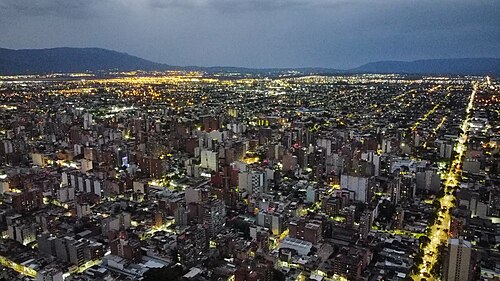
San Miguel de Tucumán, often referred to simply as Tucumán, is the capital city of the Tucumán Province in northwestern Argentina. Established in 1565 by Spanish explorer Diego de Villarroel, it is one of the oldest cities in the country. It is located in the foothills of the Aconquija mountain range and experiences a humid subtropical climate, characterized by hot summers and mild winters, which supports a rich agricultural landscape in the surrounding region. San Miguel de Tucumán is often called the "Garden of the Republic" due to its lush vegetation and fertile soil, making it a significant center for sugar cane and orange production.
The city holds particular historical importance as the site of the Declaration of Independence of Argentina from Spanish rule on July 9, 1816, in the historic Casa de Tucumán, which has since been preserved as a museum. This event marked a crucial turning point in the country's history, and the Casa remains a key tourist attraction. San Miguel de Tucumán is also a cultural hub, featuring a blend of colonial architecture and modern developments, with landmarks such as the Cathedral of Tucumán, the historic University of Tucumán, and the sprawling Parque 9 de Julio, which offers recreational space for residents and visitors alike. The city hosts various cultural events and festivals that celebrate its rich heritage, including music, dance, and traditional cuisine, thus maintaining its vibrant cultural identity within Argentina.
Facts about San Miguel de Tucumán
- San Miguel de Tucumán is known as the 'Argentine Garden' due to its lush vegetation and natural beauty.
- The city is historically significant as the site where the Argentine Declaration of Independence was signed on July 9, 1816.
- San Miguel de Tucumán is home to the Casa de la Independencia, a national historic monument that played a crucial role in Argentina's fight for independence.
- The city has a unique cultural blend of indigenous, Spanish, and immigrant influences, particularly from Italian and German communities.
- San Miguel de Tucumán is famous for its exceptional culinary offerings, especially its traditional 'empanadas', which vary significantly from the rest of the country.
- It is the capital of the Tucumán Province, the smallest province in Argentina, yet it has a vibrant economy bolstered by agriculture, particularly sugar and citrus fruits.
- The city hosts the Fiesta Nacional del Futuro, showcasing local innovation and culture, emphasizing technology and entrepreneurship.
- San Miguel de Tucumán boasts a rich musical heritage, particularly in folkloric genres such as 'zamba' and 'chacarera', and is a center for the renowned musical festival, the Festival Nacional de Folklore.
- The city is also known for its beautiful colonial architecture, with many buildings reflecting the historical richness of the region's past.
- San Miguel de Tucumán serves as a gateway to several natural wonders, including the stunning Tafí del Valle and the Sierra de San Javier, making it a hub for eco-tourism.