San Miguel, El Salvador
- 247,126 people
- 8 places to visit
- 13.4793, -88.1779
Places to Visit (8)
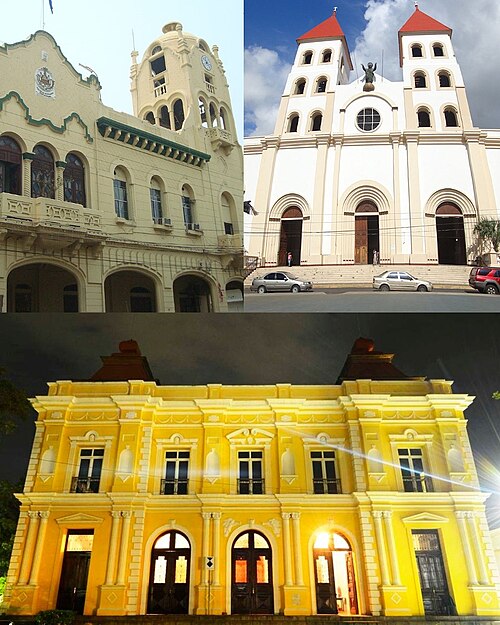
San Miguel is a prominent city located in the eastern region of El Salvador, serving as the capital of the San Miguel department. Founded in 1530, it has a rich history that reflects the colonial past of the country. The city is strategically positioned approximately 135 kilometers east of the capital, San Salvador, and is considered one of the most important urban centers in El Salvador. With a population of around 250,000 residents, San Miguel is a vibrant hub of culture, commerce, and education. Its economy primarily relies on agriculture, with major crops including sugarcane, coffee, and various fruits, as well as some manufacturing and service sectors.
San Miguel is known for its lively atmosphere and cultural significance. The city hosts the annual Fiesta de San Miguel, dedicated to its patron saint, which takes place each September. This festival features parades, traditional music, dancing, and culinary delights, attracting both locals and tourists alike. The city's architecture is characterized by colonial-era buildings, including the historic San Miguel Cathedral, which showcases neo-Gothic design and is a central figure in the community. San Miguel also has several educational institutions, making it an important center for learning in the region. The city's central location allows for easy access to nearby natural attractions, such as the Cerro San Miguel and expansive agricultural areas, further enhancing its appeal as a destination for visitors seeking to experience both urban and rural El Salvadorian life.
Facts about San Miguel
- San Miguel is known as the 'Pearl of the Orient' due to its vibrant culture and beautiful surroundings.
- The city is famous for its annual festival called 'Fiesta Grande de San Miguel', which celebrates the patron saint of the city with parades, music, and traditional dances.
- San Miguel is home to the historic San Miguel Cathedral, which features a unique blend of Gothic and Neoclassical architectural styles.
- The city played a significant role during the Salvadoran Civil War, particularly during the tragic events of the El Mozote massacre in 1981.
- San Miguel is renowned for its surrounding natural landscapes, including the nearby San Miguel volcano, which offers hiking opportunities and stunning views.
- The economy of San Miguel is known for its agriculture, particularly the production of sugarcane, coffee, and corn.
- San Miguel houses the largest market in Eastern El Salvador, known as 'Mercado Central', where visitors can find a variety of local products and crafts.
- The city has a rich literary history, being the birthplace of notable Salvadoran writers like Francisco Gavidia.
- San Miguel is a major cultural hub, hosting various art galleries and theaters that promote local artists and performances.
- The city’s strategic location near the eastern border makes it a key transit point for trade between El Salvador and neighboring countries.