San, Mali
- 103,227 people
- 1 places to visit
- 13.2944, -4.8988
Places to Visit (1)
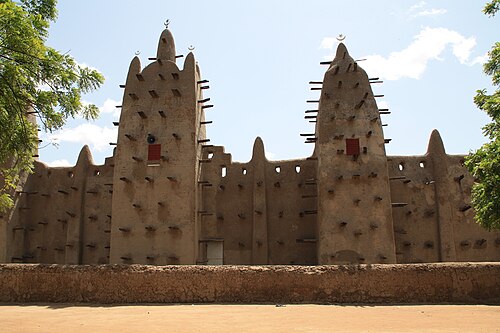
San is a city located in the central part of Mali, situated along the banks of the Niger River. It is the capital of the San District and has a rich history that dates back to the establishment of the Mali Empire in the 13th century. Today, it is the third-largest city in Mali, serving as a vital economic and cultural hub. The city is characterized by its unique blend of traditional Malian culture and modern influences, with numerous markets, mosques, and other landmarks reflecting its historical significance. San's population, primarily composed of the Bambara ethnic group, contributes to the city's vibrant cultural tapestry, highlighted by various festivals, music, and dance traditions.
Economically, San's location along the Niger River allows for agriculture, fishing, and trade to thrive. The surrounding fertile lands support the cultivation of crops like millet, sorghum, and rice, making agriculture a cornerstone of the local economy. Additionally, the city serves as a regional trade center, attracting merchants from surrounding areas. Despite facing challenges such as limited infrastructure and periodic political instability, San remains a critical player in Mali's economy. The city is also strategically positioned as a gateway to other important towns and cities, making it an essential transit point for goods and travelers. With its blend of rich heritage and economic potential, San continues to be an integral part of Mali's identity and development.
Facts about San
- San is known for its unique association with the traditional Malian fabric called 'bazin,' which is an important part of the cultural heritage of the region.
- The city is home to the historic Great Mosque of San, which showcases traditional Sahelian architecture and is a significant landmark in the area.
- San has a strategic geographical location that serves as a trade and transportation hub between the southern and northern regions of Mali.
- The city is known for its vibrant markets and lively atmosphere, often attracting traders from surrounding villages and towns.
- San hosts the annual 'Festival of the Fula People,' celebrating the rich culture of the Fula ethnic group through music, dance, and crafts.
- Historically, San was an important center during the Malian Empire and played a role in the trans-Saharan trade routes.
- The region around San is rich in biodiversity, with unique flora and fauna due to its varied landscapes, including savanna and riverine forests.
- San became a notable center for education and religious scholarship, with several Quranic schools and madrasas established in the area.
- The city's infrastructure, including roads and bridges, has been developed significantly in recent years, making it more accessible than it was in the past.
- San's local cuisine features unique dishes that are distinct from other regions in Mali, often incorporating ingredients like millet and sorghum in traditional recipes.