San Nicolas, Aruba
- 15,200 people
- 9 places to visit
- 12.4228, -69.8776
Places to Visit (9)
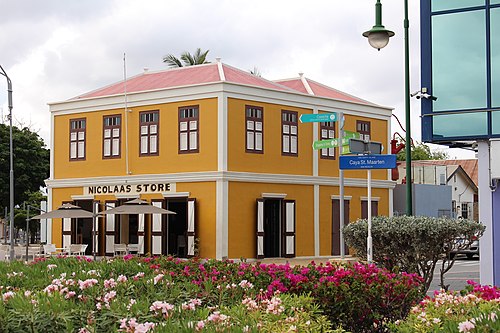
San Nicolas is a vibrant city located in the southeastern part of Aruba, known for its rich cultural heritage and history. Founded in the early 1900s, the city emerged as a key hub for the island’s oil industry, primarily due to the establishment of the Lago Oil and Transport Company. This development attracted a diverse array of workers, immigrants from various backgrounds, which greatly influenced the cultural landscape of the area. San Nicolas is often referred to as the “Sunrise City” because of its scenic views over the eastern coast and its reputation for colorful art and lively community festivals.
Today, San Nicolas is celebrated for its unique blend of cultures, showcased in its vibrant street art, local music, and culinary offerings. The city hosts the annual Aruba Carnival, a lively celebration filled with parades, dancing, and traditional music, drawing both locals and tourists alike. The local economy has diversified, moving beyond its historical roots in the oil industry to include tourism and hospitality, thanks in part to its proximity to beautiful beaches like Baby Beach and Rogers Beach. The city also boasts attractions such as the San Nicolas Community Museum, where visitors can explore the area's history and cultural significance. As San Nicolas continues to evolve, it remains a crucial part of Aruba's identity, balancing its historical significance with modern developments and community spirit.
Facts about San Nicolas
- San Nicolas is known as the 'Sunrise City' of Aruba due to its picturesque eastern location and stunning sunrises.
- It was once a major hub for the oil refining industry in Aruba, hosting the largest oil refinery in the Caribbean until its closure in the early 2000s.
- The city is famous for its vibrant street art and murals, making it a cultural hotspot for artists and visitors alike.
- San Nicolas hosts the annual 'Carnival Parade,' which is one of the largest and most colorful celebrations in Aruba, attracting thousands of spectators.
- It is home to the iconic San Nicolas Bay, offering beautiful beaches and excellent opportunities for water sports such as snorkeling and diving.
- The city's history is marked by its immigrant population, with diverse cultures contributing to its unique culinary scene, notably featuring Caribbean and Dutch influences.
- San Nicolas features the Aruba Trade Exchange building, a historic structure that reflects the economic significance the city once held.
- The city is known for its local festivals, such as the annual San Nicolas Day, celebrating the city's heritage and cultural diversity.
- San Nicolas has a strong connection to Aruba's history of agriculture and fishing, with remnants of traditional practices still visible today.
- Unlike other parts of Aruba that focus on tourism, San Nicolas maintains a more authentic local vibe, making it a unique destination for those looking to experience local life.