San Nicolás de los Arroyos, Argentina
- 134,217 people
- 10 places to visit
- -33.3335, -60.2111
Places to Visit (10)
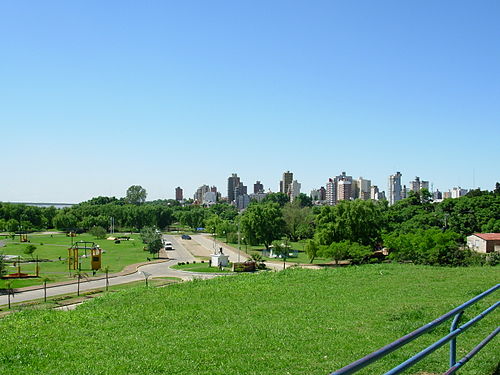
San Nicolás de los Arroyos is a city located in the province of Buenos Aires, Argentina, situated approximately 225 kilometers northwest of the capital, Buenos Aires. Founded in 1832, the city lies on the banks of the Paraná River, making it a vital point for commerce and transportation. With a population of around 130,000 residents, San Nicolás has developed into an important industrial and agricultural hub, benefiting from its strategic location near major trade routes and proximity to both rural and urban areas. The city's economy is predominantly driven by agriculture, livestock, and various industries, including food processing, textiles, and metalworks.
San Nicolás is known for its historical and cultural significance, with several landmarks that showcase its heritage. The city's central square, Plaza Mitre, is surrounded by notable buildings such as the Cathedral of San Nicolás, which features stunning neo-Gothic architecture and serves as a religious center for the community. San Nicolás is also famous for its annual events, including the Fiesta Nacional del Folklore, which celebrates Argentine folk music and dance, attracting visitors from across the country. The city is not only a center for commerce and industry but also a place where cultural traditions are preserved and celebrated, reflecting the rich history and diversity of the Argentine people. Additionally, San Nicolás has a vibrant arts scene, with local theaters and galleries showcasing the work of regional artists, further contributing to the city's cultural landscape.
Facts about San Nicolás de los Arroyos
- San Nicolás de los Arroyos is known for its strategic location on the banks of the Paraná River, making it a significant hub for trade and transportation.
- The city is famously associated with the Virgen de San Nicolás, a religious figure whose apparition in the 1980s attracted thousands of pilgrims and led to the establishment of the Sanctuary of the Virgen de San Nicolás.
- San Nicolás has a rich history dating back to the 18th century. It was founded in 1823 and has played a crucial role in Argentina's development, particularly during the fight for independence.
- The city's economy is heavily based on agriculture, especially the production of soybeans, making it an important part of Argentina's agricultural sector.
- San Nicolás is home to the only museum dedicated to the history of the Argentine Navy, which showcases the country's naval heritage and maritime achievements.
- The city hosts the annual Fiesta Nacional del Futbol Infanto-Juvenil, a significant youth football festival that attracts teams from all over Argentina and promotes local talent.
- San Nicolás is known for its traditional architecture, especially the Cathedral of San Nicolás, which features neoclassical and baroque elements, setting it apart from other cities.
- The city has made strides in sports, particularly football, with local teams having a strong presence in national leagues, contributing to the country's rich football culture.
- San Nicolás has a notable artisanal and cultural scene, with local crafts and festivals that celebrate the city's heritage and artistic expression.
- The city was a significant center during the construction of the Rosario-Victoria Bridge, which plays a vital role in connecting different regions of Argentina.