San Pablo, Philippines
- 207,577 people
- 4 places to visit
- 14.0642, 121.3233
Places to Visit (4)
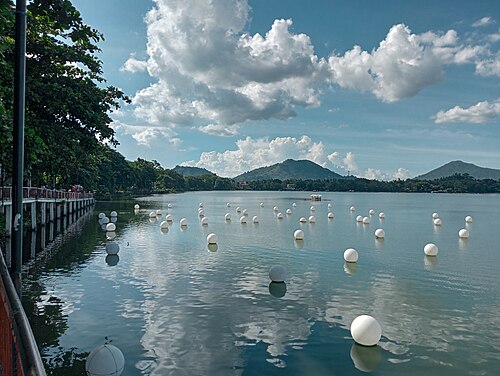
San Pablo is a city located in the province of Laguna in the Philippines, renowned for its rich cultural heritage and natural beauty. Situated about 70 kilometers southeast of Manila, San Pablo is often referred to as the "City of Seven Lakes" because it is home to seven picturesque lakes: Sampaloc, Palakpakin, Bunot, Mohicap, Lamesa, San Pablo, and Kalibato. These lakes not only contribute to the city's scenic charm but also play an essential role in its local economy, providing opportunities for fishing, boating, and ecotourism.
Established as a municipality in 1583, San Pablo was elevated to city status in 1940. The city has a diverse population and vibrant community, often celebrated for its festivals, most notably the San Pablo City Coconut Festival, which showcases the region's abundance of coconut products. The city is also known for its distinct historical landmarks such as the San Pablo Cathedral, which features beautiful architecture and serves as a spiritual center for the community. Additionally, the economy of San Pablo is bolstered by agriculture, particularly the cultivation of rice, coconut, and various fruits, as well as small-scale industries.
San Pablo's strategic location makes it an accessible destination for both local and international tourists. Visitors are drawn to its natural landscapes, such as the lakes and nearby mountains, which offer numerous outdoor activities. The city is also a gateway to other popular tourist attractions in the province of Laguna, including hot springs and historical sites. Overall, San Pablo stands out as a destination where cultural traditions blend harmoniously with a stunning environment, making it an essential part of the Laguna region and a noteworthy city in the Philippines.
Facts about San Pablo
- San Pablo is known as the 'City of Seven Lakes' because it is home to seven beautiful crater lakes: Sampaloc, Bunot, Pandin, Yambo, Kalibato, Mohicap, and Palakpakin.
- The city is rich in history, with roots tracing back to the pre-colonial era and it was officially established as a municipality in 1901 and later became a city in 2000.
- San Pablo is the birthplace of the famous Filipino martyr, Saint Paul, after whom the city is named.
- The city celebrates its annual San Pablo City Coconut Festival, which highlights the pivotal role of the coconut industry in the local economy.
- San Pablo is known for its agricultural products, particularly its high-quality coconuts and various rice varieties, setting it apart from many urbanized areas in the Philippines.
- The San Pablo Cathedral, an important historical landmark, features a mix of neo-gothic architecture and local craftsmanship, showcasing the city’s rich religious heritage.
- The city offers unique tourist experiences, including eco-tourism activities centered around its lakes, such as kayaking, swimming, and nature trekking.
- San Pablo is also recognized for its vibrant arts and culture scene, hosting various festivals that celebrate local traditions and cuisine.
- The city has a progressive community approach towards sustainable development, particularly in environmental conservation efforts around its lakes.
- San Pablo City has been awarded multiple titles for its cleanliness and environmental awareness, distinguishing it as a model city for local governance in the Philippines.