San Pedro, Philippines
- 270,216 people
- 5 places to visit
- 14.3562, 121.0553
Places to Visit (5)
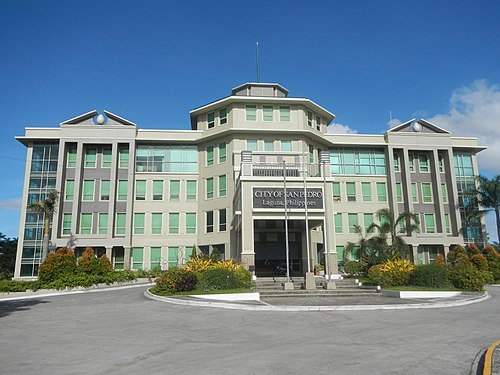
San Pedro is a city located in the province of Laguna in the Philippines. Strategically situated approximately 40 kilometers southeast of Manila, it serves as a significant suburban area that has experienced rapid urbanization over the past few decades. San Pedro is part of the Calabarzon region, which is known for its economic growth and industrial development. The city has a diverse population that reflects a mix of urban and rural lifestyles, and its proximity to the National Capital Region has made it an attractive destination for people seeking employment while living outside the bustling metropolis.
Initially a part of the municipality of Biñan, San Pedro became a separate municipality in 1947 and was later elevated to city status in 2001. The city's economy is primarily driven by agriculture, small-scale industries, and the service sector, with many residents employed in nearby commercial centers and manufacturing companies. San Pedro boasts several educational institutions, including both public and private schools, which cater to the educational needs of its expanding population. The city is also known for its vibrant local culture, celebrating various festivals such as the Pagsanjan River Festival, which highlights the rich heritage of the area. Additionally, San Pedro is home to several parks, recreational facilities, and local markets, contributing to a growing sense of community among its residents.
San Pedro's natural beauty is complemented by its proximity to various tourist attractions, including Mount Makiling, hidden waterfalls, and hot spring resorts. The local government promotes initiatives aimed at improving infrastructure and public services, enhancing the quality of life for its residents. With its blend of urban amenities and rural charm, San Pedro continues to attract individuals and families looking for a balanced lifestyle, making it a dynamic and evolving city within the Philippines.
Facts about San Pedro
- San Pedro is known as the 'Gateway to the South' due to its strategic location between Metro Manila and Laguna, serving as a major transit point for travelers.
- The city is home to the San Pedro Cathedral, a historic church with architecture reflecting Spanish colonial influences, attracting both tourists and locals.
- San Pedro hosts the annual 'Paskuhan sa San Pedro', a vibrant Christmas festival that showcases elaborate lantern displays and local talent.
- The city was once part of the municipality of Biñan before becoming a chartered city in 2013, highlighting its growth and development over the years.
- San Pedro is renowned for its agricultural products, particularly its fish ponds and farming, contributing significantly to local and regional economies.
- The city features the notable 'San Pedro Sports Complex', which hosts various local sports events and activities, promoting community engagement and health.
- San Pedro was named after Saint Peter, with the local government celebrating a feast day in honor of the patron saint every June 29.
- The city is home to the historic 'Walter Mart' shopping center, one of the first in the area, which significantly influenced local commerce and retail.
- San Pedro has been recognized for its efforts in environmental sustainability, particularly through initiatives to preserve its natural resources and improve waste management.
- The city has a rich cultural heritage, with numerous local artists and craftsmen who engage in traditional Filipino arts, showcased in various local events and fairs.