San Pedro Sula, Honduras
- 801,259 people
- 9 places to visit
- 15.5039, -88.0139
Places to Visit (9)
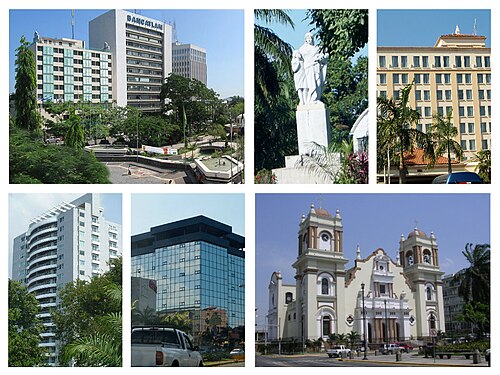
San Pedro Sula is the second-largest city in Honduras, located in the northwestern part of the country within the Cortés department. As of 2021, the city has an estimated population of around 600,000 inhabitants, making it a significant urban center in Central America. Founded in 1536 by Spanish conquistador Pedro de Alvarado, San Pedro Sula has evolved from its colonial roots into a bustling economic hub. The city serves as a vital transportation and commercial center, benefiting from its geographical location, which allows for easy access to both the Caribbean coast and the interior of Honduras.
San Pedro Sula is known for its industrial activity, particularly in the textile and manufacturing sectors. The city is often referred to as the "industrial capital of Honduras" due to the significant presence of maquiladoras, which are factories that operate under favorable tariffs and are geared toward exportation. These industries play a crucial role in the local economy, providing thousands of jobs and contributing to the nation’s overall economic growth. Despite its industrial success, San Pedro Sula has faced challenges, particularly regarding crime and security issues, which have made it one of the most violent cities in the world in past years. Various efforts by local government and international agencies have been undertaken to improve security and address the factors contributing to violence, such as poverty and lack of opportunity.
The city boasts several cultural and recreational attractions, including parks, museums, and vibrant markets, which reflect its rich history and diverse population. Notable sites include the Central Park, where locals gather for social activities, and the Museum of Anthropology and History, which showcases the cultural heritage of Honduras. Additionally, San Pedro Sula hosts various annual events and festivals that celebrate local music, gastronomy, and traditions. Its warm climate, characterized by a tropical savanna environment, contributes to the city's agriculture, with surrounding regions producing coffee, bananas, and other tropical fruits. While San Pedro Sula continues to grapple with various socio-economic challenges, its resilience and significance as an industrial powerhouse and cultural center remain evident.
Facts about San Pedro Sula
- San Pedro Sula is known as the industrial capital of Honduras, housing many of the country's manufacturing companies.
- The city is home to one of the largest shopping centers in Central America, the Multiplaza San Pedro Mall.
- San Pedro Sula is located near the bustling Sula Valley and the Caribbean Sea, making it a strategic trade hub.
- The city hosts the annual Feria Juniana, a traditional festival featuring parades, concerts, and cultural events that celebrate the city's culture.
- San Pedro Sula is known for its vibrant music scene, particularly in genres such as punta and merengue, which originated in the Caribbean region.
- The city's history is marked by the construction of the Pan-American Highway, linking it with the rest of Central America and boosting its commercial significance.
- San Pedro Sula has several modern parks and green spaces, including Parque Central, which serves as a recreational area for residents.
- The city is home to the historic Catedral de San Pedro Apostol, which is a significant architectural landmark in the region.
- San Pedro Sula has a diverse population, influenced by various cultures and ethnicities, making it a melting pot of traditions and culinary delights.
- The city has been recognized for its efforts in sustainability, with initiatives aimed at environmental conservation and urban development.