San Rafael, Argentina
- 118,009 people
- 10 places to visit
- -34.6129, -68.3391
Places to Visit (10)
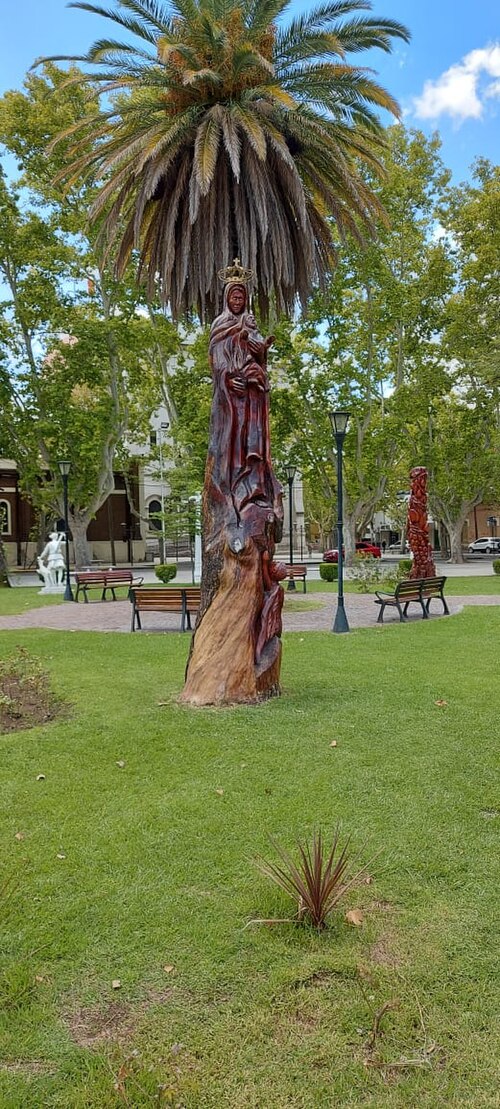
San Rafael is a city located in the province of Mendoza, Argentina, situated approximately 230 kilometers south of the provincial capital, Mendoza City. With a population of about 100,000 residents, San Rafael serves as a regional hub for agriculture, commerce, and tourism. The city's history dates back to its founding in 1805, and it has since developed into a vibrant cultural and economic center. The economy is primarily driven by agriculture, with vineyards playing a significant role, making San Rafael one of the country's key wine-producing areas. The region is renowned for producing high-quality Malbec and other varietals, contributing to Argentina's reputation as a leading wine producer globally.
The picturesque landscape surrounding San Rafael features a diverse geography, including the Andes Mountains, rivers, and lakes, which enhance the area's natural beauty and attract outdoor enthusiasts. The Atuel Canyon, located nearby, offers stunning views and activities such as hiking, rock climbing, and river rafting, making it a popular destination for adventure tourism. The city itself boasts a blend of modern and colonial architecture, with important landmarks including the Plaza Central, which is surrounded by shops, cafes, and municipal buildings. The warm climate and the cultural calendar featuring festivals, such as the Grape and Wine Festival, further enrich the city's appeal. Overall, San Rafael is a significant Argentine city that combines natural attractions, a thriving agricultural sector, and cultural vibrancy, making it an important destination for both domestic and international visitors.
Facts about San Rafael
- San Rafael is the second largest city in the Mendoza Province, known for its wine production, especially Malbec.
- The city is home to the stunning Atuel Canyon, a popular destination for outdoor activities such as hiking, rafting, and rock climbing.
- San Rafael was founded in 1805, making it one of the older settlements in Argentina, and its layout reflects a grid pattern typical of colonial towns.
- The city hosts the San Rafael Film Festival, which celebrates independent cinema and attracts filmmakers from across Argentina and beyond.
- San Rafael is recognized for its clean air and ample green spaces, with numerous parks and gardens, contributing to its reputation as a desirable location for health-conscious individuals.
- The city is a key player in Argentina's agricultural sector, known for its production of pears and apples, which are exported worldwide.
- San Rafael's climate is semi-arid, providing ideal conditions for growing grapes and creating a unique microclimate for vineyards.
- The nearby Valle Grande is famous for its natural beauty and adventure tourism, including mountain biking, zip-lining, and paragliding.
- San Rafael has a rich cultural heritage, with numerous museums that highlight local history, art, and the indigenous culture of the region.
- The annual Fiesta de la Vendimia (Grape Harvest Festival) highlights the city's viticulture and includes parades, music, and wine tastings, celebrating the importance of wine in the local culture.