San Salvador de Jujuy, Argentina
- 257,970 people
- 15 places to visit
- -24.1858, -65.2995
Places to Visit (15)
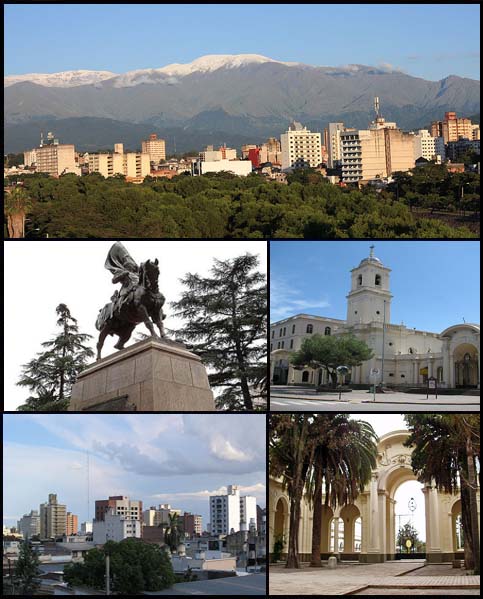
San Salvador de Jujuy is the capital city of the Jujuy Province in Argentina, located in the northwestern part of the country. It lies at an altitude of 1,189 meters (3,899 feet) in the Sierra de Siete Colores mountain range, which contributes to its stunning landscapes and diverse ecosystems. The city was founded on April 19, 1593, by Spanish conquistador Francisco de Argañaraz y Murguía, making it one of the oldest towns in Argentina. Its historical significance is highlighted by its colonial architecture, including notable structures such as the Cathedral of San Salvador, which features baroque elements, and the Cabildo, a historical town hall that has been restored to preserve its architectural heritage.
San Salvador de Jujuy has a population of approximately 250,000 residents, making it a vibrant hub for culture and commerce in the region. The economy is primarily driven by agriculture, with crops like tobacco, sugarcane, and citrus fruits being significant contributors. The city's cultural landscape is colored by its indigenous heritage, particularly that of the Quechua and Aymara peoples, which is evident in local festivals, traditional music, and handicrafts. The city hosts various cultural events throughout the year, including the Festival de la Pachamama, which celebrates the Andean earth goddess and attracts both locals and tourists. In addition to its cultural riches, San Salvador de Jujuy serves as a gateway to explore the natural beauty and geological wonders of the nearby Quebrada de Humahuaca, which has been recognized as a UNESCO World Heritage site due to its stunning multicolored hills and rich cultural history. The city's unique blend of history, culture, and breathtaking landscapes makes it an intriguing destination in Argentina.
Facts about San Salvador de Jujuy
- San Salvador de Jujuy is the capital city of Jujuy Province, located in the northwestern part of Argentina, known for its rich indigenous culture and history.
- The city is situated at an altitude of 1,189 meters (3,900 feet), making it one of the highest provincial capitals in Argentina.
- San Salvador de Jujuy played a significant role during the Argentine War of Independence, being a strategic location for revolutionary forces.
- The city is famous for the historical site of the Casa de Gobierno, which is a prime example of colonial architecture and has been renovated to preserve its historical significance.
- Every year, San Salvador de Jujuy hosts the spectacular 'Carnaval Jujeño,' a vibrant celebration that showcases traditional music, dance, and colorful costumes, distinct to the region.
- The nearby Quebrada de Humahuaca, a UNESCO World Heritage Site, is known for its stunning landscapes and rock formations, making the city a popular base for tourists exploring this natural wonder.
- San Salvador de Jujuy is recognized for its strong indigenous heritage, with communities that maintain traditional practices, languages, and crafts, setting it apart from other Argentinian cities.
- The city is known for its craft markets, particularly the Mercado Municipal, where local artisans sell textiles, pottery, and other handmade goods unique to the region.
- San Salvador de Jujuy is home to the Cathedral of San Salvador, which features a mix of architectural styles due to the various renovations it has undergone throughout its history.
- The city's cultural festivals, such as 'La Fiesta Nacional de la Pachamama,' celebrate the Andean Goddess of Earth and signify the importance of indigenous agricultural traditions.