San Salvador, El Salvador
- 525,990 people
- 18 places to visit
- 13.6929, -89.2182
Places to Visit (18)
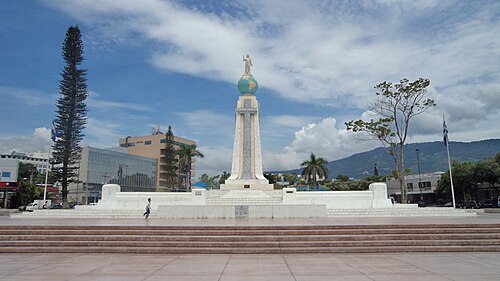
San Salvador is the capital and largest city of El Salvador, situated in the country's central region. Founded in the early 16th century by Spanish conquistadors, the city has been pivotal in the country’s political, economic, and cultural development. With a population of around 1.6 million residents in the city proper and over 2.4 million in the metropolitan area, San Salvador serves as the hub of the nation’s activities. The city is located at an elevation of approximately 600 meters above sea level, nestled within a valley surrounded by several volcanoes, including the iconic San Salvador Volcano. This geographical setting lends the city a temperate climate, though it is also prone to seismic activity, given its location in a tectonically active region.
San Salvador has undergone significant transformation over the years, particularly after the devastating civil war that lasted from 1980 to 1992. The conflict triggered massive social and economic upheaval, resulting in a large-scale migration of Salvadorans to the United States and other countries. Despite the challenging past, the city has made strides toward recovery and development, marked by a thriving economy largely driven by manufacturing, commerce, and services. Landmarks such as the Metropolitan Cathedral, the National Palace, and the modern U.S. Embassy compound highlight the city’s rich history and cultural heritage. San Salvador also boasts vibrant neighborhoods, each with unique character, cuisine, and markets, exemplifying the nation’s multifaceted identity. Cultural celebrations, art festivals, and a burgeoning coffee scene further enhance the urban experience, attracting both national and international visitors.
While San Salvador still faces challenges, including poverty and insecurity, various government and non-governmental initiatives are working towards improvement. Investment in infrastructure, education, and public safety aims to foster a more secure and prosperous future. The recently developed projects, including parks and public spaces, signal a commitment to enhancing quality of life for residents. Additionally, San Salvador’s status as a key node in Central America emphasizes its importance in regional trade and tourism. The city's blend of historical significance, urban development, and cultural vibrancy makes it a vital point of interest within El Salvador and the broader Central American landscape.
Facts about San Salvador
- San Salvador is the capital and largest city of El Salvador, making it the political, cultural, and economic hub of the country.
- The city is home to the iconic Metropolitan Cathedral, which is a significant historical landmark and a symbol of resilience, having been rebuilt after earthquakes.
- San Salvador was founded in 1525 and has gone through various transformations, including relocation and reconstruction after multiple natural disasters.
- The National Palace (Palacio Nacional), located in the city center, is an architectural masterpiece that reflects the grandeur of El Salvador's past.
- San Salvador is known for its vibrant arts scene, hosting the annual Festival Internacional de la Cultura that celebrates local and international artists.
- The city is surrounded by volcanic mountains, including the Izalco Volcano, which is often referred to as the 'Lighthouse of the Pacific'.
- San Salvador is the site of the Women’s Equality Museum, dedicated to promoting gender equality and recognizing the contributions of women in Salvadoran society.
- The city has a rich political history, being the epicenter of significant events such as the Salvadoran Civil War and the subsequent peace accords.
- San Salvador is considered a center for higher education in El Salvador, housing several major universities, including the University of El Salvador.
- The city is known for its culinary scene, particularly for traditional dishes such as pupusas, which have become a symbol of Salvadoran culture.