San Sebastiano, Italy
- 23,228 people
- 45.6519, 10.2568
No places available for this city.
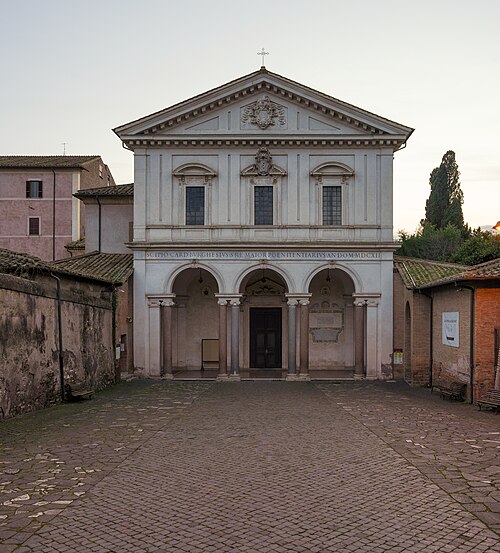
San Sebastiano is a charming municipality located in the Campania region of southern Italy, specifically in the province of Naples. Nestled on the slopes of the Monti di Sarno, it offers picturesque landscapes characterized by rolling hills and lush greenery. The town is situated just a few kilometers northeast of Naples, making it easily accessible for those exploring the greater metropolitan area. With a population of around 6,000 residents, San Sebastiano retains a humble, intimate atmosphere that reflects its historical roots. The community is primarily residential, with agriculture and small-scale businesses contributing to its economy.
The history of San Sebastiano dates back to ancient times, with evidence of settlements in the area from the Roman period. Its name pays homage to Saint Sebastian, a popular early Christian martyr whose feast day is celebrated with local festivities. The town possesses a quaint charm, with narrow streets lined with traditional Italian buildings, many of which showcase elements of historical architecture. Among its notable landmarks are the Church of San Sebastiano Martire, known for its Baroque style and beautifully adorned interiors, and the remnants of ancient fortifications that hint at the town's strategic importance in the past. Additionally, the surrounding countryside is dotted with farms producing local delicacies, particularly wines and olive oil, which are integral to the regional cuisine.
San Sebastiano hosts various cultural events throughout the year that reflect its rich heritage and strong community spirit. Festivals dedicated to religious occasions, such as the Feast of San Sebastiano, draw locals and visitors alike, featuring processions, music, food, and lively celebrations. The town's proximity to Naples allows residents and tourists to explore the vast historical and cultural offerings of the city, including world-renowned museums, impressive archaeological sites, and delectable Neapolitan cuisine. As a quaint yet vibrant part of the Campanian landscape, San Sebastiano presents an appealing destination for those looking to experience traditional Italian life while remaining close to the hustle and bustle of Naples.
Facts about San Sebastiano
- San Sebastiano is renowned for its unique position near the ancient Roman road Via Appia, which has historical significance stretching back to Roman times.
- The town is famous for its annual festival dedicated to its patron saint, San Sebastiano, which includes colorful parades and traditional music, drawing visitors from surrounding regions.
- San Sebastiano is home to the beautifully preserved Church of San Sebastiano, which features stunning frescoes and baroque architecture that showcase the city’s rich artistic heritage.
- The local cuisine of San Sebastiano includes specialities such as 'pasta alla San Sebastiano,' a dish that reflects traditional culinary practices unique to the region.
- The city has a strong tradition of artisan craftsmanship, particularly in the production of handmade ceramics that are distinct to the area, often featuring traditional motifs.
- San Sebastiano was historically an important agricultural center, and its fertile land contributes to robust local farming, particularly known for its vineyards.
- The location of San Sebastiano offers breathtaking views of the surrounding hills, making it popular for outdoor enthusiasts interested in hiking and nature walks.
- San Sebastiano hosts several cultural events throughout the year, including art fairs and craft markets that emphasize local artisans and their creations.
- This small town has been relatively untouched by mass tourism, offering visitors an authentic Italian experience away from the bustling tourist paths of larger cities.
- San Sebastiano has a growing reputation as a destination for eco-tourism, with initiatives to promote sustainability and environmental awareness in the local community.