Sancti Spíritus, Cuba
- 127,069 people
- 6 places to visit
- 21.9328, -79.4366
Places to Visit (6)
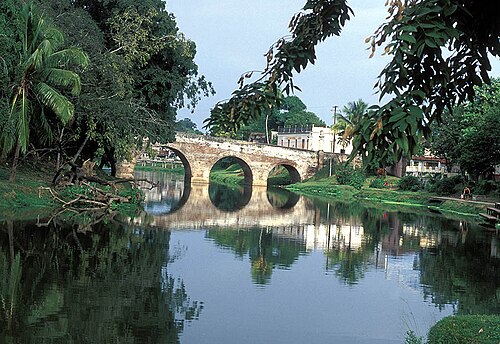
Sancti Spíritus is a city located in the central region of Cuba and serves as the capital of the Sancti Spíritus Province. Established in 1522, it is one of the oldest towns in Cuba and is known for its rich colonial history and architecture. The city is situated on the banks of the Yayabo River and is strategically positioned about 350 kilometers east of Havana and 100 kilometers from Trinidad, another historically significant city. Sancti Spíritus was recognized in 2011 as a national monument, reflecting its historical importance and well-preserved buildings, among which the Puente Yayabo, an arched bridge built in the 18th century, stands out as one of the city’s most iconic structures.
The economy of Sancti Spíritus is primarily based on agriculture, with sugar cane, tobacco, and coffee being significant crops in the surrounding areas. The city also has a burgeoning tourism sector, thanks to its cultural heritage and proximity to natural attractions such as the Escambray Mountains and the historic town of Trinidad, which is a UNESCO World Heritage Site. Cultural life in Sancti Spíritus is vibrant, featuring various festivals, music, and dance that reflect traditional Cuban practices. The city plays an essential role in promoting Cuban identity and heritage through its numerous museums, art galleries, and cultural institutions. Overall, Sancti Spíritus is a city that beautifully blends history, culture, and natural beauty, making it a noteworthy destination in Cuba.
Facts about Sancti Spíritus
- Sancti Spíritus is one of the oldest cities in Cuba, founded on June 4, 1514, making it a historical center with colonial architecture.
- The city's main church, Iglesia Parroquial Mayor del Espíritu Santo, is one of the oldest in Cuba and has a unique wooden altar that holds cultural significance.
- Sancti Spíritus is home to the famous Yayabo Bridge, built in the late 18th century, which is a National Monument and one of the oldest stone bridges in the country.
- The city is known for its unique layout, characterized by narrow streets and a distinctive combination of Spanish colonial and Caribbean architectural styles.
- Every year, Sancti Spíritus hosts the Fiesta de los Fuegos, a vibrant festival reflecting local culture, music, and dance, showcasing the city's artistic heritage.
- Sancti Spíritus played a significant role during the Cuban Wars of Independence, particularly the Ten Years' War, contributing to the island's fight for freedom.
- The town's proximity to the Escambray Mountains offers various outdoor activities, including hiking and ecotourism, setting it apart from more urban areas in Cuba.
- Sancti Spíritus has a rich tradition of music, particularly the 'danzas,' which are unique Cuban dance genres that are still celebrated and performed in the city.
- The city was historically a center for sugar production during colonial times, which contributed to its economic significance and cultural evolution.
- Sancti Spíritus is known for its community of artists and craftsmen, particularly in ceramics and pottery, preserving traditional Cuban artisan techniques.