Sandakan, Malaysia
- 439,050 people
- 9 places to visit
- 5.8559, 118.0722
Places to Visit (9)
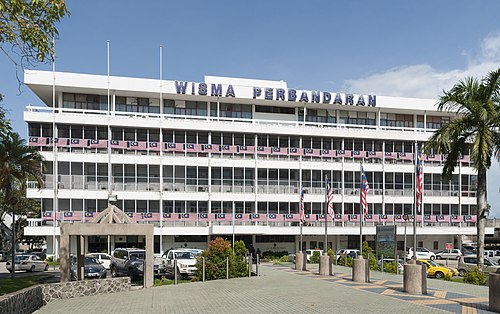
Sandakan is a coastal city located in the eastern part of Sabah, Malaysia, on the island of Borneo. It serves as the capital of the Sandakan District and is the second-largest city in the state of Sabah after Kota Kinabalu. Sandakan is known for its rich history, diverse culture, and natural beauty. Founded in the late 19th century as a trading post and a base for the North Borneo Chartered Company, the city has grown significantly over the years and was once a vital center for the export of timber and other resources. Today, it is a crucial economic hub for the region, focusing on industries such as tourism, fishing, and agriculture.
The city is also renowned for its ecological significance. Sandakan acts as a gateway to several key natural attractions, including the Sepilok Orangutan Rehabilitation Centre, which plays a vital role in conservation efforts for the endangered orangutan species. The center, established in 1964, rehabilitates orphaned or displaced orangutans, offering visitors a unique opportunity to observe these remarkable animals in their natural habitat. Other attractions include the Bornean Sun Bear Conservation Centre, the Rainforest Discovery Centre, and the nearby Turtle Islands Park, which is essential for the conservation of turtle species. Sandakan's vibrant local culture, marked by a mix of indigenous, Malay, and Chinese influences, is evident in its culinary scene and community festivals. The city's waterfront area features a variety of shops, eateries, and markets that showcase local crafts and produce, reflecting the blend of its diverse heritage.
While Sandakan has seen economic expansion and development, it also faces challenges such as deforestation, environmental degradation, and urbanization pressures. The surrounding lush rainforests are under threat from logging and palm oil plantations, which pose risks to biodiversity and the sustainability of local ecosystems. Despite these challenges, Sandakan remains an integral part of Malaysia's ecological and cultural landscape, attracting tourists and researchers interested in its unique biodiversity and historical significance. The city's combination of natural beauty, wildlife conservation efforts, and cultural diversity makes it an essential destination for those looking to explore the rich heritage of Malaysia.
Facts about Sandakan
- Sandakan is known as the 'Nature City' due to its rich biodiversity and proximity to several national parks, including the famous Borneo Rainforest.
- The city was historically significant during World War II as a base for Japanese forces and is home to the Sandakan Memorial Park, which commemorates the Sandakan Death March.
- Sandakan is the second largest city in the state of Sabah and serves as a gateway to several eco-tourism destinations, including the Sepilok Orangutan Rehabilitation Centre.
- The local economy of Sandakan is primarily supported by agriculture, particularly the cultivation of palm oil and cocoa, setting it apart from many other Malaysian cities.
- Sandakan has a significant Chinese community, with many traditional Chinese temples and markets, reflecting the city's multicultural heritage.
- The Sandakan Crocodile Farm is one of the largest crocodile farms in Southeast Asia, housing a wide variety of crocodile species and attracting visitors for educational purposes.
- The city is also famous for its seafood, particularly its prawns and crabs, making it a popular destination for food enthusiasts.
- Sandakan was formerly known as Elopura, a name given during the British colonial period, which means 'Beautiful City' in Malay.
- The nearby Turtle Islands Park is a renowned nesting site for sea turtles, distinguishing Sandakan as a conservation hub for marine wildlife.
- Sandakan is home to the largest Buddhist temple in Sabah, the Puh Toh Tze Temple, which attracts many visitors and offers stunning views of the surrounding landscapes.