Sangerhausen, Germany
- 23,347 people
- 6 places to visit
- 51.4725, 11.2995
Places to Visit (6)
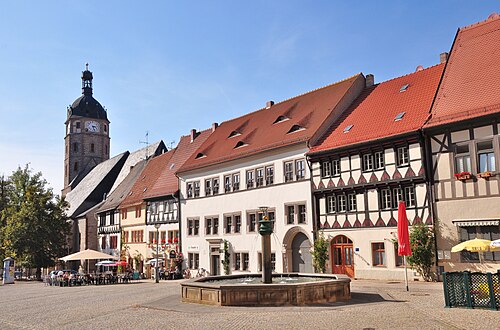
Sangerhausen is a historic town located in the federal state of Saxony-Anhalt, Germany. Situated at the foot of the Harz Mountains, it has a rich cultural heritage dating back over a thousand years. First mentioned in historical records in 1209, Sangerhausen was initially established as a mining town, with its fortunes closely tied to the extraction of silver and copper. The town's location along important trade routes contributed to its growth, and by the Middle Ages, Sangerhausen had developed into a significant center for commerce and culture in the region.
The town is renowned for its preserved medieval architecture, with landmarks such as the Gothic-style St. James' Church, built between the 14th and 15th centuries, showcasing intricate design and craftsmanship. The old town center retains a significant amount of historical buildings that reflect its past prosperity. Additionally, Sangerhausen is famous for its Rosarium, which is one of the largest rose gardens in the world, featuring over 8,000 varieties of roses. This attraction draws numerous visitors each year and highlights the town's commitment to horticultural beauty.
In contemporary times, Sangerhausen has evolved into a small but vibrant town with a population of around 10,000 residents. The local economy has diversified beyond mining, with sectors such as manufacturing, tourism, and services playing vital roles. Sangerhausen is also well-connected by road and rail, making it accessible to nearby cities like Halle and Magdeburg. The town hosts various cultural events and festivals throughout the year, allowing residents and visitors to engage with its rich traditions, making it an interesting place to explore in the heart of Germany.
Facts about Sangerhausen
- Sangerhausen is home to the Europa-Rosarium, which is the largest rose garden in the world, showcasing over 8,000 different rose varieties.
- The city has a rich mining history, particularly known for its potash mining activities that began in the late 19th century.
- Sangerhausen features several Renaissance houses and is recognized for its well-preserved medieval architecture, including the St. Jacob's Church, which dates back to the 14th century.
- The city is located at the edge of the Harz Mountains, providing picturesque landscapes and opportunities for outdoor activities such as hiking and cycling.
- Sangerhausen hosts the annual Mückenberger Markt, a traditional festival that highlights local culture, crafts, and cuisine.
- The historical significance of Sangerhausen is marked by its role as a center for the Protestant Reformation during the 16th century.
- Sangerhausen retains a unique blend of Saxon and Thuringian cultural influences, evident in its dialect, cuisine, and festivals.
- The city's location along the Via Regia, a medieval trade route, contributed to its development and prosperity throughout the centuries.
- Sangerhausen is known for its local traditions, including the unique custom of 'Schützenfest' or marksmen's festival, celebrating local shooting guilds.
- It has been recognized for its local efforts in environmental sustainability, particularly in urban green spaces and community gardening projects.