Sanjō, Japan
- 82,893 people
- 14 places to visit
- 37.6365, 138.9616
Places to Visit (14)
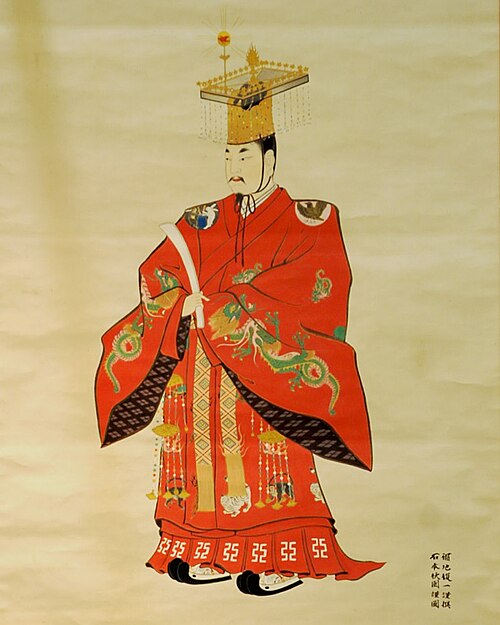
Sanjō is a city located in Niigata Prefecture, Japan, known for its rich history, vibrant culture, and significant contributions to Japanese craftsmanship. Situated in the central part of the country, near the confluence of the Ashigaru and Akiyagawa rivers, Sanjō is surrounded by stunning natural scenery, which includes mountains and rivers. The city covers an area of approximately 228.36 square kilometers and has a population of around 100,000 residents. Sanjō's name translates to "Three Towns," reflecting its historical development from three smaller villages. The city became officially recognized as a city in 1954, having evolved from its agricultural roots into a hub for industry and culture.
One of Sanjō's most notable features is its reputation for traditional metalworking, particularly in the production of knives, scissors, and other cutlery. This craftsmanship dates back over 300 years and is highly regarded throughout Japan and internationally. The city hosts various educational institutions and workshops where artisans pass on their skills to new generations. Additionally, Sanjō has embraced modernity while maintaining its cultural heritage, evidenced by the presence of contemporary industries alongside traditional practices. The annual Sanjō Fireworks Festival, held in summer, attracts visitors from all over, showcasing the city's community spirit and its scenic riverside setting.
In terms of transportation, Sanjō is well connected, with several major roads running through the region and access to the Joetsu Shinkansen (bullet train), which links it to Tokyo and other key cities. The city's diverse culinary scene is also noteworthy, featuring local specialties such as Sanjō ramen, which is characterized by its rich broth and unique flavors. The surrounding natural environment offers abundant opportunities for outdoor activities, such as hiking and skiing, particularly in the nearby mountains. As Sanjō continues to grow as a city, it remains a place where traditional craftsmanship and modern life coexist harmoniously, making it a unique destination in Japan.
Facts about Sanjō
- Sanjō is known for its traditional craftsmanship, particularly in metalworking and woodworking, with a rich history of producing high-quality tools and utensils.
- The city hosts the Sanjō 19th Century Earthquake Memorial Park, which commemorates the devastating earthquake of 1891 that significantly impacted the area.
- Sanjō is famous for the Sanjō Kōbō, a historic blacksmith district where artisans have been preserving the art of traditional Japanese knife-making for generations.
- Every year, Sanjō celebrates the Sanjō Kamaboko Festival, dedicated to the city's unique fish cake production, showcasing local culinary arts.
- Sanjō Station, part of the JR East railway network, serves as a crucial transportation hub in Niigata Prefecture, connecting the city to major urban areas.
- The city is surrounded by rich natural landscapes, including mountains and rivers, making it a popular destination for outdoor activities like hiking and fishing.
- Sanjō holds the distinction of being the birthplace of the 'Sanjō-style' bento, characterized by its emphasis on fresh ingredients and artistic presentation.
- In 2014, Sanjō launched the 'Smart City Sanjō' initiative, focusing on sustainable development and the integration of technology into urban planning.
- The city is home to the Sanjō Historical Museum, which showcases the local history, culture, and artifacts that highlight its unique heritage.
- Sanjō is noted for its vibrant agricultural sector, particularly in the production of rice and sake, contributing to Niigata Prefecture's reputation as a premier sake-producing region.